editorials·AI-REDIGERAD
Analyzing the Rare Seismic 'Doublet' and Structural Failures in Venezuela
Scientists and engineers are investigating the rare back-to-back tremors in Venezuela, highlighting the lethal combination of tectonic stress and building code failures.
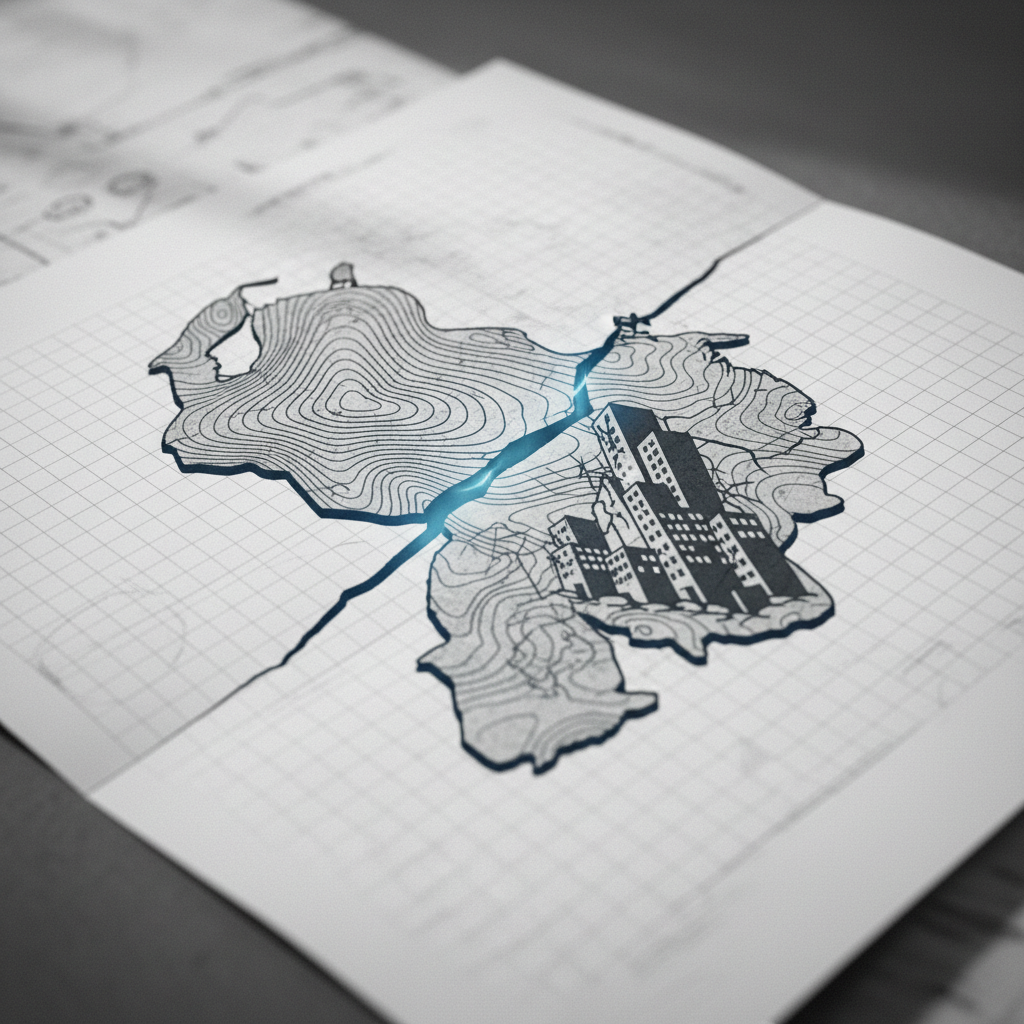
Seismologists and engineering experts are currently analyzing a rare seismic event in northern Venezuela, where two powerful earthquakes occurred within just 39 seconds of one another. This phenomenon has sparked a global conversation regarding the geological triggers of such "doublet" earthquakes and the specific structural vulnerabilities that lead to mass building collapses in urban centers like Caracas.
The Conversation explains that the United States Geological Survey has officially classified these events as a doublet because they share similar magnitudes and occurred in close proximity. The analysis suggests that these were not standard aftershocks; instead, they were distinct ruptures on different faults. According to this report, the first earthquake likely triggered the second by redistributing stress across the complex tectonic boundary where the Caribbean and South American plates meet. The publication warns that Venezuela’s mountainous terrain and specific sediment layers significantly amplify seismic waves, increasing the risk of landslides and intensified tremors.
Addressing the human and structural impact, The Conversation notes that the devastation was exacerbated by shallow earthquake depths and the presence of older building stocks. Civil engineering experts cited in the piece argue that many structures experienced "pancake" collapses because their vertical supports were made of brittle materials that lacks the ductility needed to absorb energy. The reporting emphasizes that while modern seismic codes are designed to prioritize life safety over building preservation, the effectiveness of these standards relies entirely on rigorous enforcement and high-quality construction practices.
There is a clear consensus among these analyses that Venezuela occupies a uniquely dangerous geological position. While one source focuses on the rare mechanics of the doublet and tectonic stress transfer, the other highlights the urgent need for seismic retrofitting and better code enforcement to prevent future catastrophic structural failures.
Detta vet vi
- A rare earthquake doublet saw two massive tremors strike within 39 seconds.
- The first event likely triggered the second by redistributing stress on nearby faults.
- Shallow depths and soil amplification contributed to the high level of structural damage.
- Brittle building materials led to 'pancake' collapses in older Venezuelan housing stocks.
- Experts advocate for stricter building code enforcement and retrofitting of existing structures.
Påståenden & källor