editorials·AI-REDIGERAD
Assessing the Efficacy of the EPA’s Omaha Lead Remediation
Recent investigations into the Omaha lead Superfund site suggest that federal remediation efforts may be failing to provide long-term protection against toxic soil.
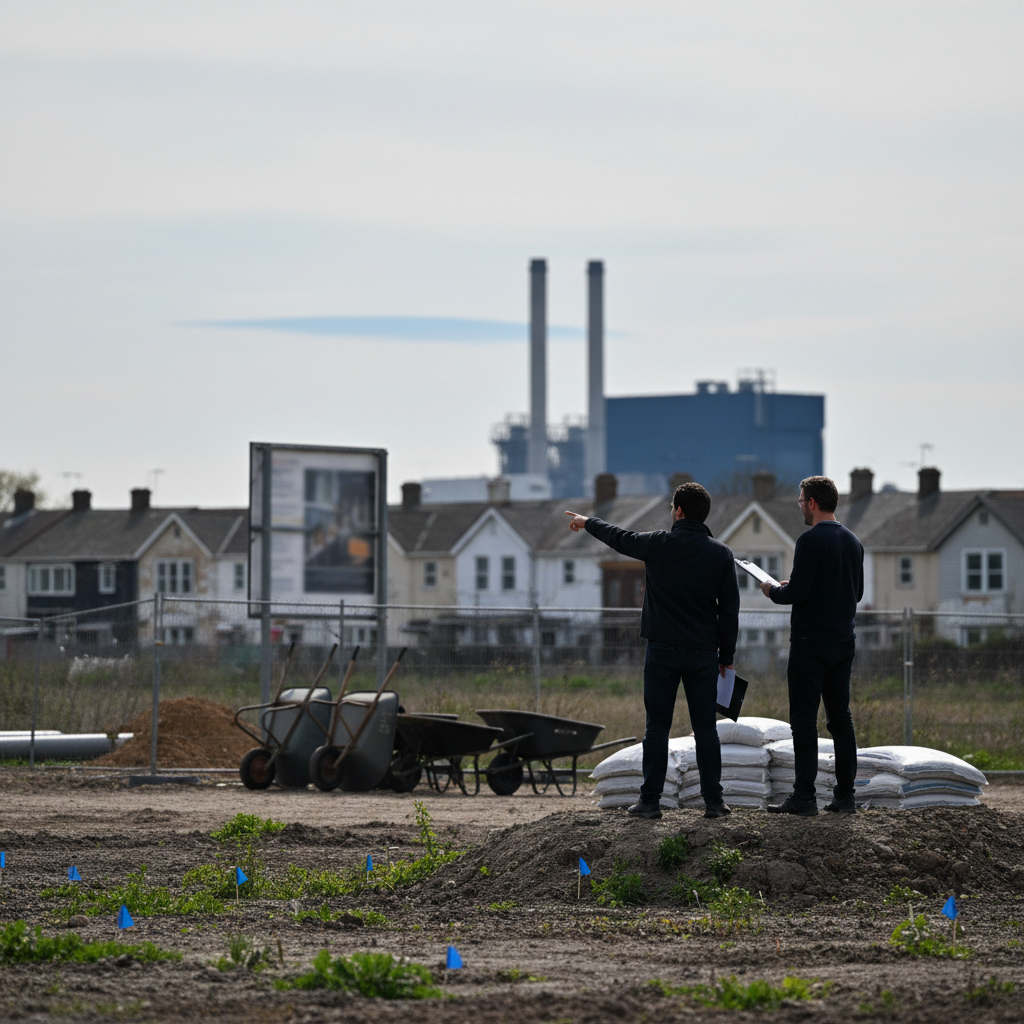
The Environmental Protection Agency (EPA) has spent decades and hundreds of millions of dollars attempting to remediate lead contamination in Omaha, Nebraska, a region designated as the nation’s largest residential Superfund site. While the federal government has historically framed this effort as a significant success in public health, recent independent soil testing and analysis have raised urgent questions regarding the permanence and accuracy of the cleanup. The conversation now centers on whether current federal protocols are sufficient to protect residents from recurring exposure.
ProPublica argues that the EPA’s oversight is fundamentally flawed because the agency typically does not conduct follow-up testing once a property is deemed remediated. Through independent soil sampling at 620 homes, the investigation found that 10% of yards previously cleaned by the government still contain lead levels exceeding the 400 parts per million threshold. ProPublica suggests that lead dust from neighboring, untreated properties may be migrating and recontaminating sites that were once considered safe, leaving families with a false sense of security.
Further analysis by ProPublica contends that the EPA’s methodology itself may be masking the true extent of the danger. By averaging multiple soil samples rather than focusing on specific "hot spots," the agency might be underestimating the toxic threat to residents. The report notes that while the EPA credits its program with reducing local blood lead levels, the reliance on historical data ignores the potential for thousands of homes to qualify for further intervention under newer, stricter federal screening guidelines.
The editorial discussion highlights a significant tension between the EPA’s desire to declare a Superfund project complete and the scientific reality of persistent environmental hazards. While the EPA maintains its methods are robust, it has pledged to investigate these new findings. Both reports converge on the conclusion that without a system for periodic retesting, the long-term safety of residents in former industrial zones cannot be guaranteed.
Detta vet vi
- Ten percent of remediated yards still exceed federal lead safety limits.
- The EPA rarely returns to retest properties once initial cleanup is finished.
- Lead dust from untreated homes may be recontaminating previously cleaned areas.
- Critics argue the EPA’s soil-averaging methodology masks localized toxic hot spots.
Påståenden & källor