editorials·AI-REDIGERAD
Assessing the Stability of a War-Dependent Russian State
As unconventional strikes hit Russian infrastructure and economic strains mount, analysts debate whether the Kremlin is trapped in a cycle of permanent war or headed toward a high-risk escalation.
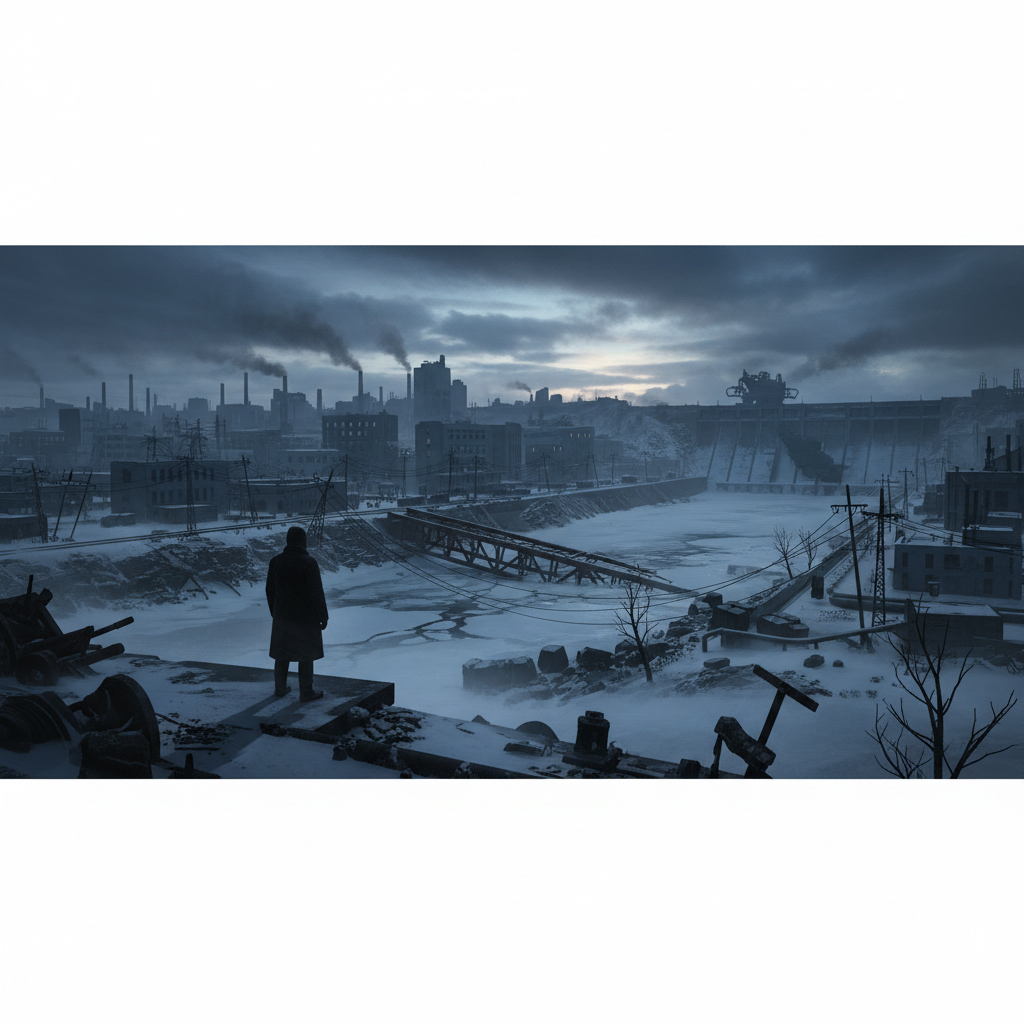
Recent strategic shifts in the Ukraine conflict have centered on the increasing vulnerability of the Russian home front. As the war extends well beyond its initial timeline, the Kremlin faces a deteriorating domestic situation characterized by infrastructure damage and systemic economic strain. The conversation among international observers now focuses on whether these internal pressures will force a diplomatic opening or, conversely, drive a more dangerous cycle of military escalation to preserve the current leadership’s grip on power.
Project Syndicate argues that Vladimir Putin has restructured the Russian state so thoroughly that it now depends on perpetual war for its survival. According to this view, the invasion has become a defining structural element of the regime, making a return to peace politically impossible for the Kremlin. The piece highlights that Ukrainian drone strikes on oil infrastructure are already causing domestic fuel shortages, while the combination of labor scarcity and inflation strains the national economy. Consequently, this perspective suggests that a simple ceasefire would be insufficient because the current Russian political system is fundamentally incompatible with permanent stability.
Examining the strategic choices available to Moscow, Project Syndicate suggests that the Russian leadership is caught between a diplomatic retreat and a massive military escalation. While the latter risks significant economic fallout and internal instability, the author posits that Putin is likely to choose high-risk aggression over a ceasefire to avoid appearing weak. The editorial notes that as Ukrainian counter-attacks inside Russian territory increase pressure, the domestic expectation of a total victory makes any Form of diplomatic compromise a potential threat to Putin’s authority.
These perspectives converge on the idea that the Russian leadership now views conflict as a necessity for political preservation. While one analysis focuses on the inevitability of economic collapse due to structural war-dependence, the other emphasizes the immediate strategic danger of a cornered regime choosing escalation at all costs. Both viewpoints suggest that the international community must prepare for a prolonged struggle, as the internal logic of the Kremlin currently rejects any exit strategy that involves a return to the pre-war status quo.
Detta vet vi
- Russia's regime now relies on perpetual war for its internal political survival.
- Drone strikes on energy infrastructure are creating tangible domestic fuel shortages in Russia.
- Putin is likely to choose dangerous escalation over a politically damaging ceasefire.
- Internal economic collapse and labor shortages are making Russia's current path unsustainable.
Påståenden & källor