editorials·AI-REDIGERAD
Autonomy and Alliances: South Korea’s Changing Military Stature
South Korea is moving toward strategic autonomy and wartime command of its troops as North Korea’s alliance with Russia and shifting U.S. priorities reshape the peninsula's security.
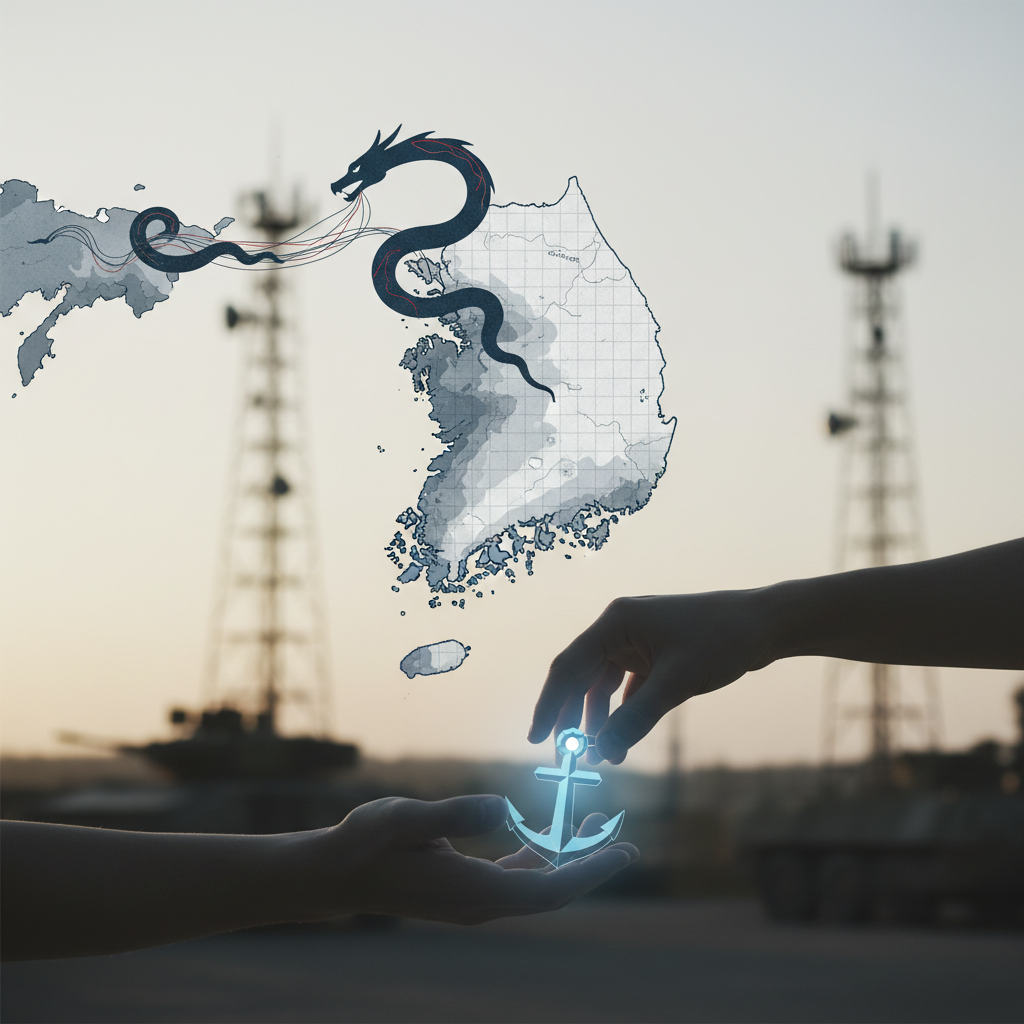
Following decades of reliance on American security guarantees, South Korea is currently navigating a fundamental shift in its defense posture. This transition is driven by a combination of North Korea’s strengthening ties with Russia and a growing perception that United States military support may no longer be a permanent or unconditional fixture of regional stability.
Mother Jones explores the momentum behind Seoul’s push to reclaim wartime operational control of its own forces. The publication notes that President Lee Jae Myung views this transfer of command as a vital assertion of national sovereignty. According to this perspective, South Korea is moving beyond mere financial contributions toward a model of total strategic autonomy. This includes pursuing advanced domestic military capabilities, such as the development of nuclear-powered submarines, to ensure the nation no longer functions as a subordinate partner within the alliance.
The Conversation argues that South Korea’s reassessment is urgent due to North Korea’s rebounding economy and modernized military. By providing ammunition and personnel to Russia for the conflict in Ukraine, Pyongyang is reportedly gaining invaluable battlefield experience and electronic warfare expertise. The editorial warns that as American resources are stretched thin by commitments in the Middle East, Seoul faces a crisis of confidence regarding the reliability of the traditional U.S. security umbrella.
These outlets converge on the idea that the status quo of the U.S.-South Korea alliance is untenable. While Mother Jones focuses on the internal drive for military independence as a response to transactional American foreign policy, The Conversation emphasizes the external pressures created by the burgeoning Moscow-Pyongyang axis. Both agree that South Korea is preparing for a future where it must take primary responsibility for its own survival.
Detta vet vi
- Seoul seeks full wartime operational control to assert national sovereignty and military independence.
- North Korea is gaining combat experience and Russian technology through its involvement in Ukraine.
- South Korean leadership is pursuing advanced rearmament, including potential nuclear-powered submarine projects.
- U.S. military overextension and transactional politics have created a crisis of confidence in Seoul.
Påståenden & källor