editorials·AI-REDIGERAD
Debating Electoral Reform and the Future of British Democracy
Commentators are calling for an urgent overhaul of the UK's first-past-the-post voting system to better reflect a fragmented and multi-party political landscape.
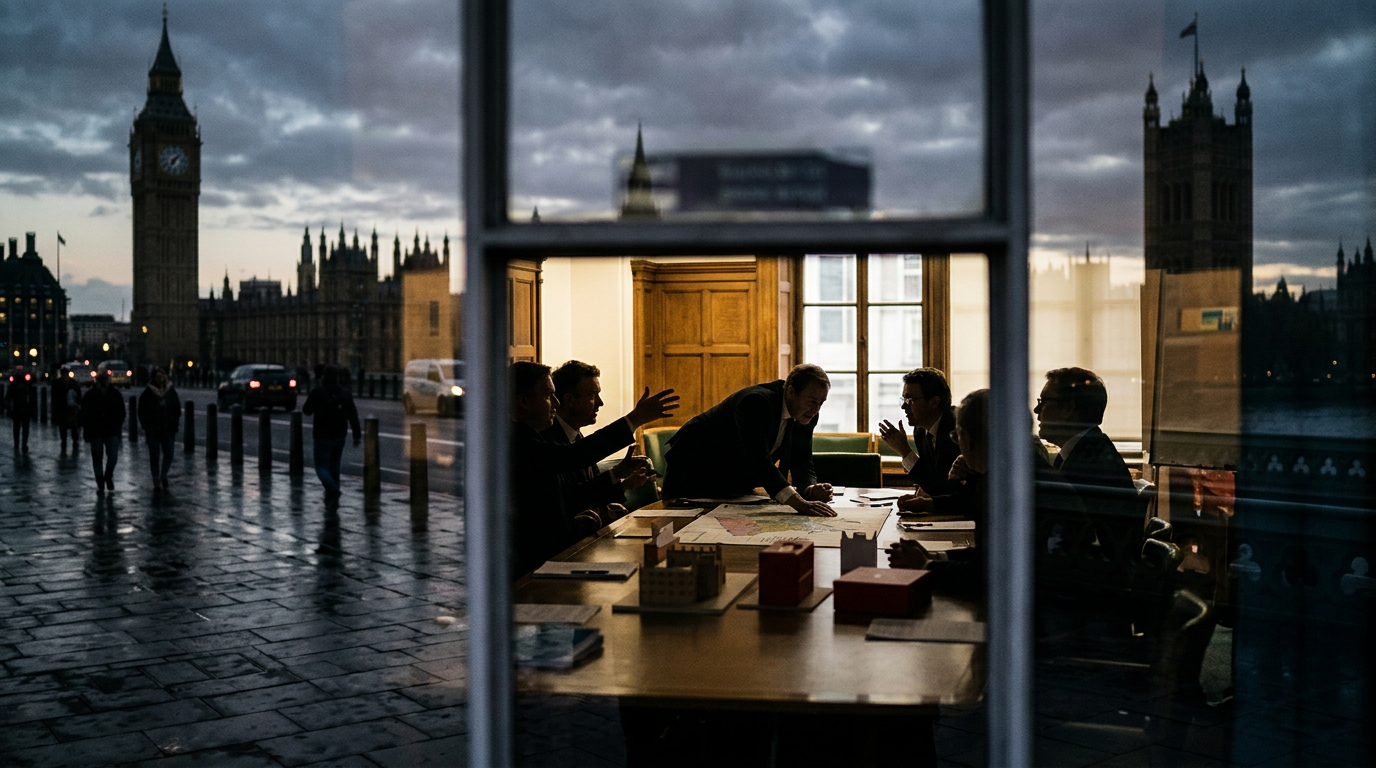
The debate over the United Kingdom’s electoral framework has intensified as critics argue that the traditional first-past-the-post (FPTP) model no longer reflects the complexities of modern British politics. With the rise of smaller parties and independent candidates, observers are increasingly questioning whether a system designed for a two-party era can maintain democratic legitimacy in a fragmented landscape.
The Guardian’s editorial board argues that the current voting system is fundamentally outdated for a multiparty environment. The board suggests that FPTP risks producing perverse results that could ultimately undermine the public's faith in democratic institutions. By highlighting the successful implementation of proportional models in devolved assemblies and regional mayoral contests, The Guardian asserts that more representative alternatives are already proven to work. The piece advocates for the creation of an independent national commission to investigate reform before a systemic crisis occurs.
Writing for The Guardian, Neal Lawson contends that the dominance of the two major parties has effectively collapsed, noting that support for traditional giants has plummeted to levels statistically tied with smaller groups. Lawson calls for Greater Manchester Mayor Andy Burnham to take a leadership role by championing a move toward proportional representation. According to Lawson, those within the Labour party who resist such changes are acting as reactionaries against necessary democratic progress. He warns that maintaining the status quo allows for the possibility of minority rule, which ignores the unprecedented variety of contemporary voter preferences.
These perspectives converge on the belief that the current electoral system fails to translate the modern electorate’s will into fair parliamentary representation. While both sources agree on the need for a national commission to evaluate reform, they differ slightly in focus: one emphasizes the institutional risk of delegitimization, while the other highlights the specific political necessity of reflecting a fragmented, multi-party reality.
Detta vet vi
- First-past-the-post is viewed as an outdated relic unfit for today's multiparty British politics.
- Proportional representation is proposed to prevent minority rule and reflect modern voter diversity.
- Proponents suggest a national commission should investigate fairer alternatives to the current system.
- Devolved assemblies provide evidence that proportional voting models can be successfully implemented.
Påståenden & källor