editorials·AI-REDIGERAD
Electoral Integrity and the Challenge of Identical Candidate Names
Editorial boards are weighing the constitutional risks of prosecuting "ghost" candidates who run for office specifically to confuse voters with identical names.
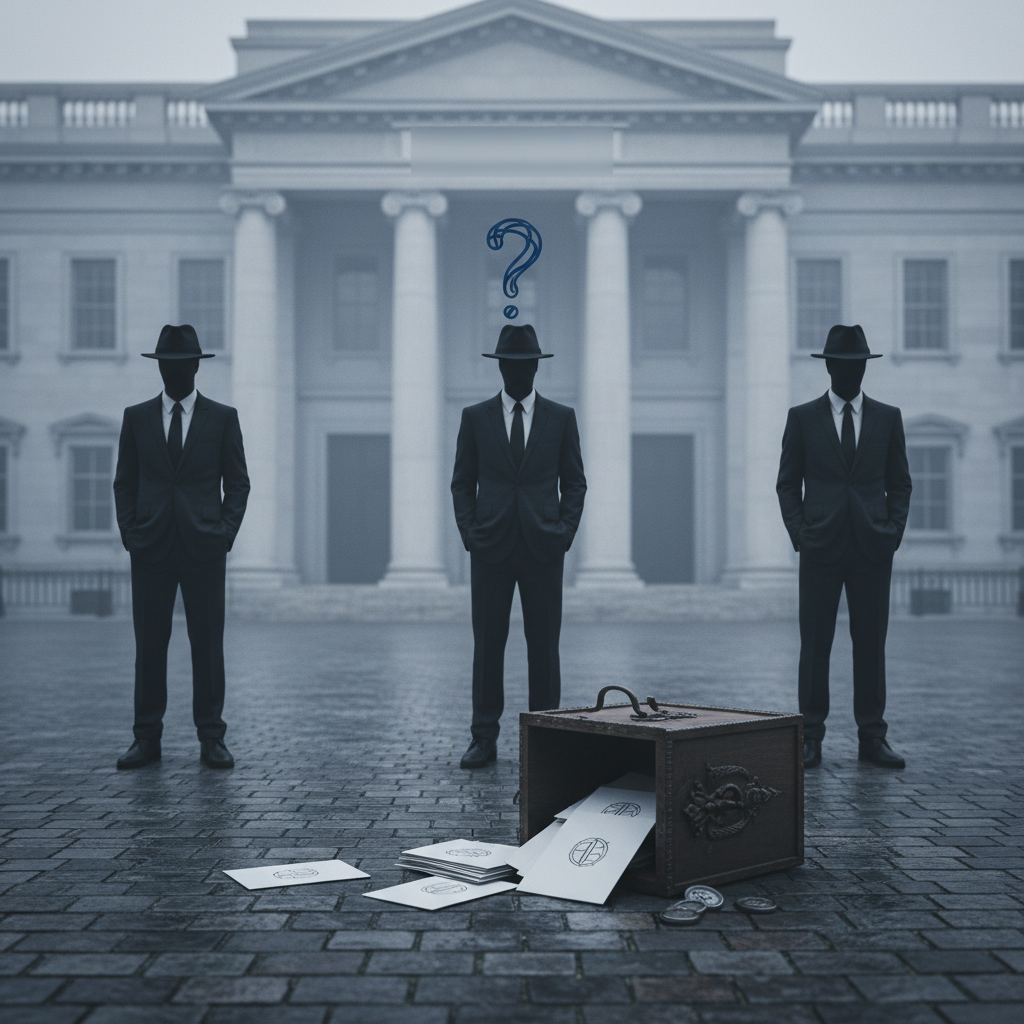
Recent electoral contests, most notably a Senate race in Alaska featuring two candidates named Dan Sullivan, have sparked a debate regarding the ethics and legality of running candidates with names identical to incumbents. This tactic, often used to siphon votes through intentional deception, raises fundamental questions about electoral integrity, the limits of free speech, and the depth of voter knowledge in modern democracies.
Writing for Reason, Ilya Somin argues that while name-based deception is ethically dubious, it is primarily a symptom of widespread voter ignorance. Somin maintains that because an individual vote has such a low probability of changing an outcome, most citizens have little incentive to master complex political details, making them vulnerable to name-based manipulation. Rather than using the law to police these tactics, the author suggests that society should reduce the scope of centralized political decision-making, allowing individuals to make more rational choices through private exit rather than the ballot box.
Focusing on the legal ramifications of such strategies, Reason also relays analysis from election law scholar Rick Hasen regarding federal probes into these "ghost" candidates. Hasen warns that attempting to prosecute candidates for having "impure motives" for running—such as using wire fraud or civil rights statutes—presents a significant threat to First Amendment protections. The editorial contends that criminalizing a candidate’s intent could grant the government dangerous power to oversee political speech and potentially jeopardize standard partisan strategies, such as when one party boosts a third-party challenger to weaken a primary opponent.
There is a clear consensus within these perspectives that while deceptive candidacies undermine the democratic process, the proposed legal solutions pose an even greater risk to civil liberties. Both pieces conclude that the government should avoid prosecuting individuals based on their motives for seeking office, suggesting that the remedy for voter confusion lies in institutional reform or voter awareness rather than the criminal justice system.
Detta vet vi
- Name confusion tactics exploit rational voter ignorance regarding specific candidate details.
- Prosecuting candidates for 'impure motives' could violate fundamental First Amendment rights.
- Criminalizing strategic candidacies risks giving the government too much power over political speech.
- Decentralizing political power may be more effective than legal crackdowns on deceptive campaigning.
Påståenden & källor