editorials·AI-REDIGERAD
Escalating Glyphosate Use in U.S. National Forests Sparks Indigenous Protests
Indigenous leaders and environmental advocates are challenging the U.S. Forest Service over the quadrupling of glyphosate use in national forests for wildfire recovery.
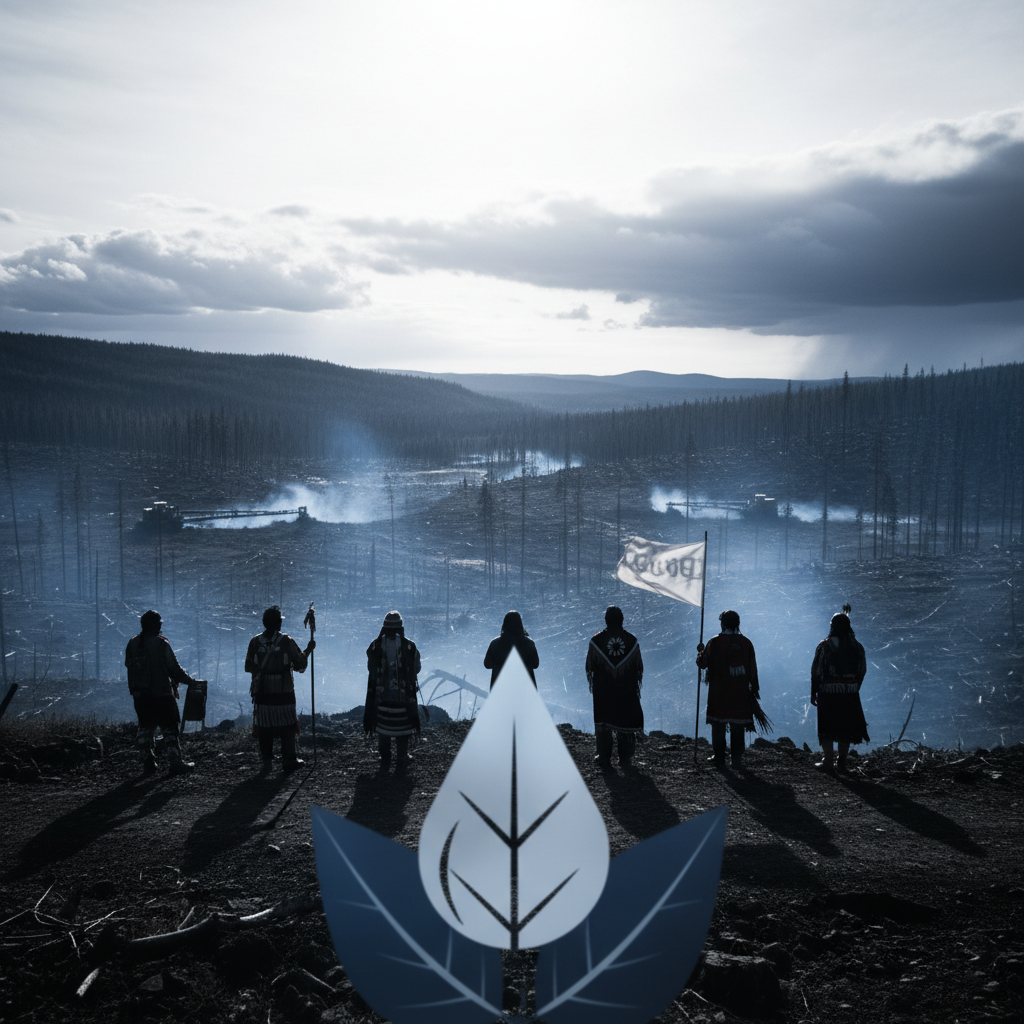
The debate over chemical management in public lands has intensified as federal agencies increase the use of herbicides to manage forests following devastating wildfires. This conversation centers on the tension between efficient timber reforestation and the protection of public health and Indigenous cultural rights. While land managers view chemical intervention as a necessary tool for ecological recovery and industrial output, critics view the practice as a violation of environmental safety and tribal sovereignty.
Mother Jones reports that the volume of glyphosate applied to California’s national forests has quadrupled over the last decade. The publication highlights that while the U.S. Forest Service utilizes these chemicals for wildfire recovery, thousands of lawsuits have linked the active ingredient in Roundup to potential cancer risks. Mother Jones further notes that a recent Supreme Court ruling has complicated the legal landscape by shielding chemical manufacturers from certain failure-to-warn liability, effectively limiting the ability of affected residents to hold companies accountable for health complications.
The cultural impact of these practices is a primary concern for Indigenous groups. Mother Jones argues that the Forest Service is prioritizing timber profits over the health and religious freedoms of Native American communities. Tribal leaders contend that the reliance on glyphosate poisons sacred gathering sites and materials essential for traditional basketweaving. The reporting details how weavers, who often use their mouths to process plant fibers, have reported mouth sores and other health issues. Furthermore, Mother Jones points to state research indicating that chemical residues can persist in native plants for up to 80 weeks, far longer than many industry safety studies suggest.
These perspectives converge on the idea that current federal forestry practices lack transparency and fail to account for long-term ecological and human costs. While the government emphasizes the need for rapid forest regrowth to support the logging industry, advocacy groups and tribal leaders are increasingly looking toward legal injunctions to halt the spraying and protect cultural survival.
Detta vet vi
- Herbicide use in California forests has quadrupled over the last ten years.
- Indigenous weavers report direct health issues from handling chemically treated traditional plants.
- State studies indicate glyphosate residues persist in the environment for up to 80 weeks.
- Recent Supreme Court rulings have limited manufacturer liability regarding health warnings.
- Tribal leaders argue spraying violates religious rights and prioritizes timber industry profits.
Påståenden & källor