editorials·AI-REDIGERAD
Evaluating the 250-Year History of the American Prison Experiment
Recent analyses of the American penitentiary system trace its 250-year evolution from an Enlightenment-era reform project to a modern institution defined by systemic failure and brutality.
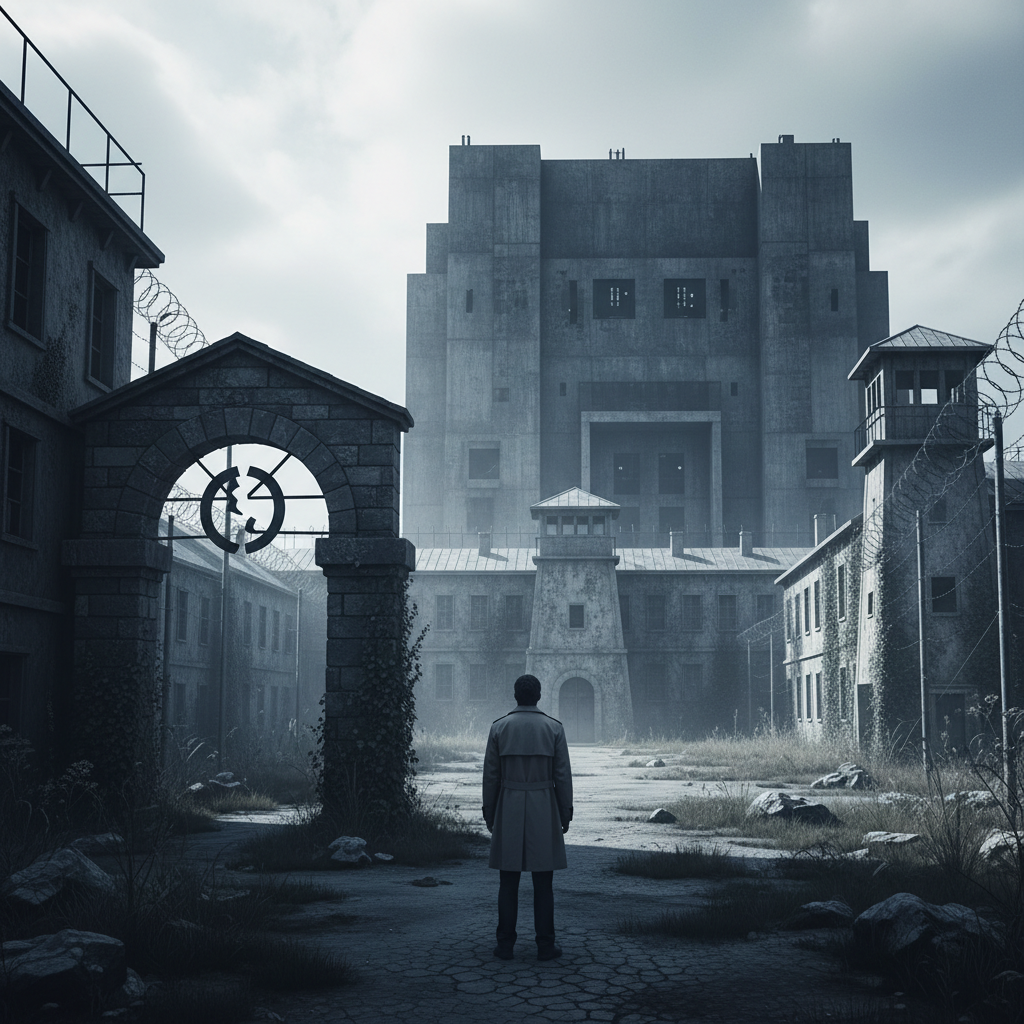
The American penitentiary system is currently under intense scrutiny as critics examine its 250-year history, moving from its origins as a progressive Enlightenment experiment to its present state of crisis. Originally conceived as a humane alternative to the public spectacles of corporal punishment common in the 18th century, the prison was intended to be a "republican machine" capable of transforming criminals into virtuous citizens through architecture, isolation, and discipline. However, observers now argue that this idealistic foundation has consistently crumbled, resulting in a cyclical pattern of reform followed by institutional decay.
A series of analyses from Reason explores this historical trajectory, framing the modern carceral state as a choice rather than a social necessity. In one exploration, Reason argues that the American prison system is a failed, repeating experiment of idealism that inevitably devolves into cruelty. The piece suggests that while each generation believes it has finally solved the problem of punishment, the institutions they build almost always drift toward sadism and neglect. By drawing parallels to satirical literature, the editorial challenges the public to view the current system as a series of deliberate, often misguided policy decisions rather than an inevitable fixture of society.
Furthermore, Reason contends that despite reformist intentions, U.S. prisons have consistently devolved into sites of torture and dehumanization. The editorial highlights that the country cycles through reform roughly every 50 years without ever achieving a truly humane or constitutional standard. This failure is evident today in state systems plagued by massive staffing shortages and decrepit facilities. In a separate editorial discussion, Reason warns that many state correctional systems are reaching a critical breaking point. The piece notes that earlier humanitarian goals are frequently undermined by overcrowding and forced labor, and it laments that the once-strong bipartisan momentum for criminal justice reform has recently faced significant political setbacks.
These perspectives converge on the idea that the American prison system is trapped in a loop of failed intentions. While all three pieces advocate for a fundamental reassessment of the current model, there is a distinct suggestion that the U.S. should look toward European or Scandinavian rehabilitative models. These alternatives, which prioritize human dignity over retribution, are presented as a potential way to break the 250-year cycle of state-sponsored neglect and institutional violence.
Detta vet vi
- Prisons began as idealistic 'republican machines' but frequently devolved into sites of institutional cruelty.
- The U.S. cycles through prison reform every 50 years without achieving humane constitutional standards.
- Current state correctional systems are reaching a breaking point due to overcrowding and staffing shortages.
- Bipartisan momentum for justice reform has slowed, prompting calls to consider European rehabilitative models.
Påståenden & källor