editorials·AI-REDIGERAD
Executive Milestones and Their Lasting Impact on the Supreme Court
Historical retrospectives on the month of August highlight how presidential successions and birthdays serve as reminders of the executive power to shape the Supreme Court.
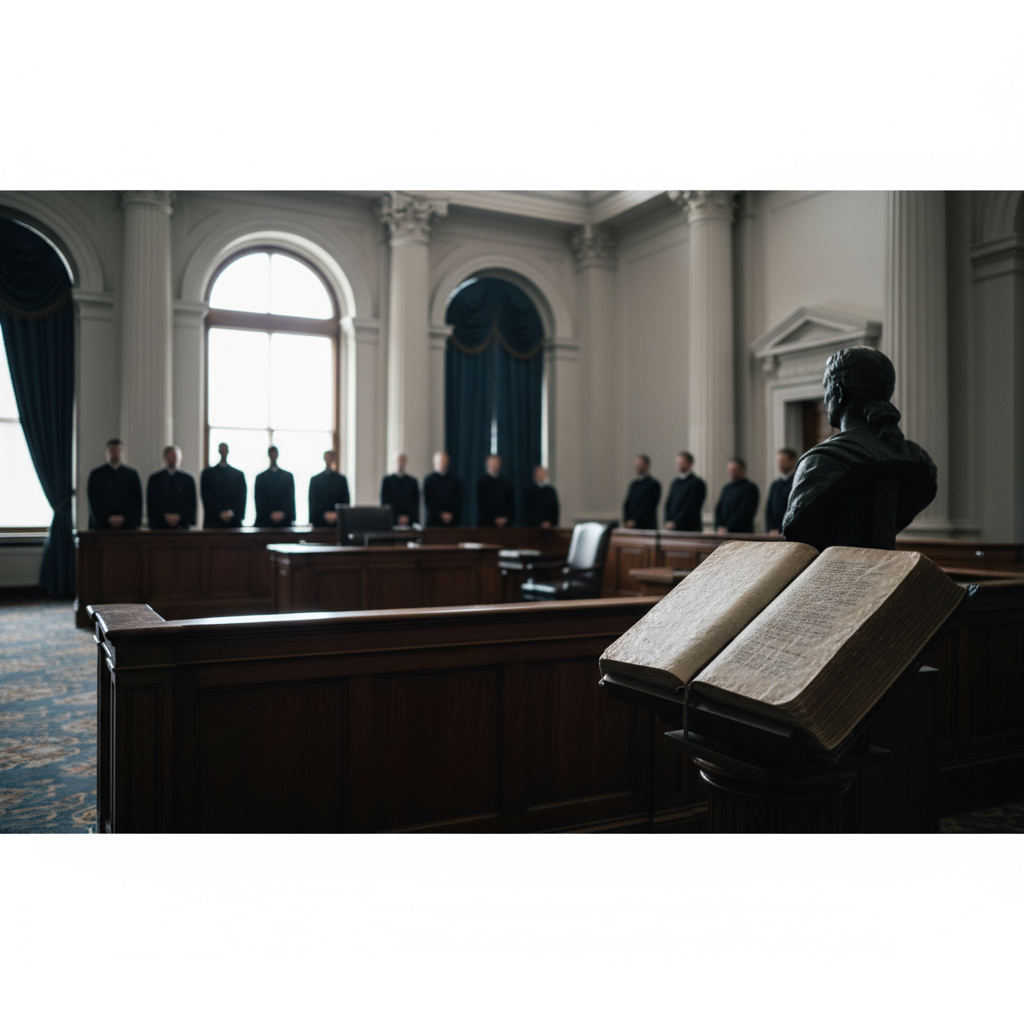
August marks several significant milestones in the history of the United States executive branch and its enduring influence over the Supreme Court. The timing of presidential successions and the subsequent exercise of appointment powers serve as critical junctures that define the ideological and legal trajectory of the nation for decades. Recent historical retrospectives focus on two vastly different eras to illustrate how the personal history of presidents intersects with the composition of the high court.
Reason reflects on the centennial transition of power that occurred on August 2, 1923, following the death of Warren G. Harding. The publication notes that Calvin Coolidge assumed the presidency in a modest ceremony, an event that eventually led to a major shift in the judiciary. Specifically, Reason points to Coolidge’s appointment of Harlan Fiske Stone to the Supreme Court as a defining act. Stone’s progression from Associate Justice to Chief Justice is cited as a prime example of how a sudden presidential succession can leave a permanent mark on American constitutional law.
Shifting to the modern era, Reason also commemorates the birth of Barack Obama on August 4, 1961, framing his biography through the lens of judicial impact. The outlet highlights that Obama’s two terms resulted in the successful appointments of Associate Justices Sonia Sotomayor and Elena Kagan. By documenting these specific picks, the account emphasizes that a president's legacy is often most visible in the long-term work of the lifetime appointees they place on the bench.
These retrospectives converge on the idea that the executive power to shape the court is one of the most significant functions of the presidency. Whether through the unexpected circumstances of 1923 or the standard electoral mandates of the 21st century, these historical notes suggest that the identity of the person in the Oval Office is inextricably linked to the evolving philosophy of the Supreme Court.
Detta vet vi
- Coolidge’s 1923 inauguration led to the influential appointment of Chief Justice Harlan Fiske Stone.
- Barack Obama’s judicial legacy is defined by the appointments of Justices Sotomayor and Kagan.
- Presidential milestones illustrate how executive transitions dictate the long-term ideological path of the high court.
Påståenden & källor