editorials·AI-REDIGERAD
Executive Power and the White House Ballroom Dispute
Federal courts are weighing whether the White House is the "People's House" or a high-security executive site as the battle over a new ballroom heads to the Supreme Court.
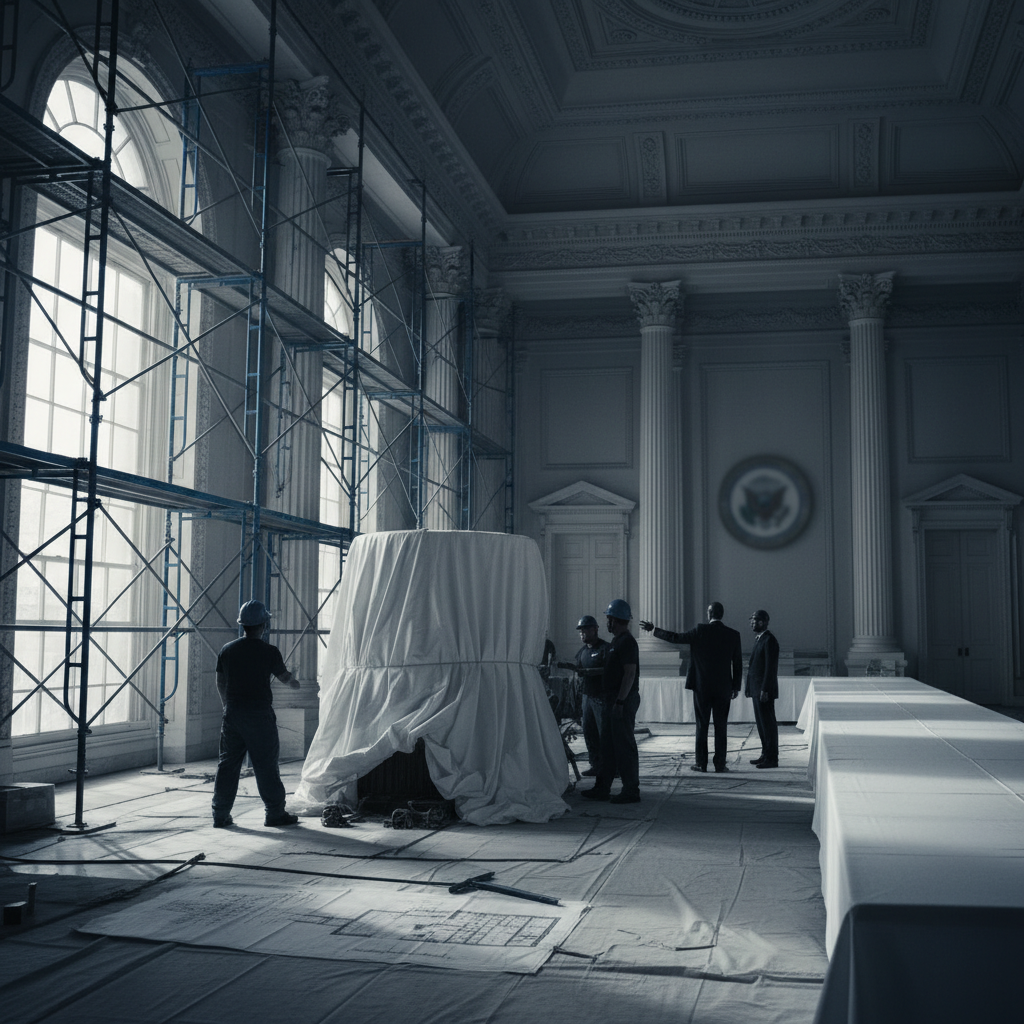
The legal battle over a proposed ballroom at the White House has ignited a fierce debate regarding the limits of executive power and the role of the federal judiciary. After the D.C. Circuit Court of Appeals upheld an injunction against the construction project, legal analysts have pivoted to the Supreme Court, weighing whether the presidency functions as a "temporary tenancy" or if national security demands require greater judicial deference. This dispute centers on whether a president can bypass congressional oversight for major structural changes to historic federal property.
Reason (Source) (Source) argues that the D.C. Circuit’s decision is a vital affirmation of the rule of law, reinforcing that the president lacks unilateral authority to demolish portions of the White House. The outlet further contends that this case signals a healthy erosion of "national security deference," suggesting that security claims should not function as an automatic legal shield for the executive branch. However, other analysts at Reason suggest that the Supreme Court may view the case differently, potentially overturning the injunction based on a lack of legal standing for the plaintiffs or citing the practical security needs of the Executive Residence.
The procedural conduct of the judiciary is also under scrutiny. Reason claims that lengthy dissents from liberal justices have unnecessarily delayed emergency rulings in related administration cases, proposing new rules to allow for immediate judgment publication. Conversely, Reason warns that the administration’s broader legal strategy represents a dangerous attempt to dismantle judicial review and circumvent constitutional safeguards against executive overreach.
Finally, the physical implications of the court's order have drawn concern. Reason posits that ordering the demolition of a partially completed security facility could signal government dysfunction and create social division. While the courts agree that Congress generally holds the purse strings for federal property, there is sharp disagreement over whether "aesthetic injuries" to private organizations are sufficient to halt presidential construction projects in the name of historical preservation.
Detta vet vi
- D.C. Circuit ruled the president is a temporary tenant requiring congressional approval for construction.
- Critics argue plaintiffs lack standing to sue over aesthetic injuries to historic federal property.
- Some analysts warn that judicial pushback signals a necessary end to extreme national security deference.
- Concerns remain that ordering demolition of active security structures projects government weakness and dysfunction.
Påståenden & källor
- R
Reason: D.C. Circuit Upholds Injunction Against Trump's Ballroom
- R
Reason: How Long Did Justice Jackson's "Kafkaesque Nightmare" Dissent Hold Up Trump v. California?
- R
Reason: What Will The "Apolitical Proceduralist" Do With The East Wing Case?
- R
Reason: Divided D.C. Circuit Panel Upholds Injunction Against White House Ballroom Construction; Next Stop, One First Street
- R
Reason: Voting by Mail
- R
Reason: The East Wing and Justice Breyer's Concurrence in Van Orden v. Perry
- R
Reason: Trump's Ballroom Fight Could Make Courts Rethink 'National Security' Deference
- R
Reason: Trump's Assault on Judicial Review Undermines a Crucial Safeguard Against Tyranny