editorials·AI-REDIGERAD
Justice Alito on Retirement and Judicial Philosophy
Following a series of rare interviews, Supreme Court Justice Samuel Alito is clarifying his stance on judicial retirement and the security risks facing the high court.
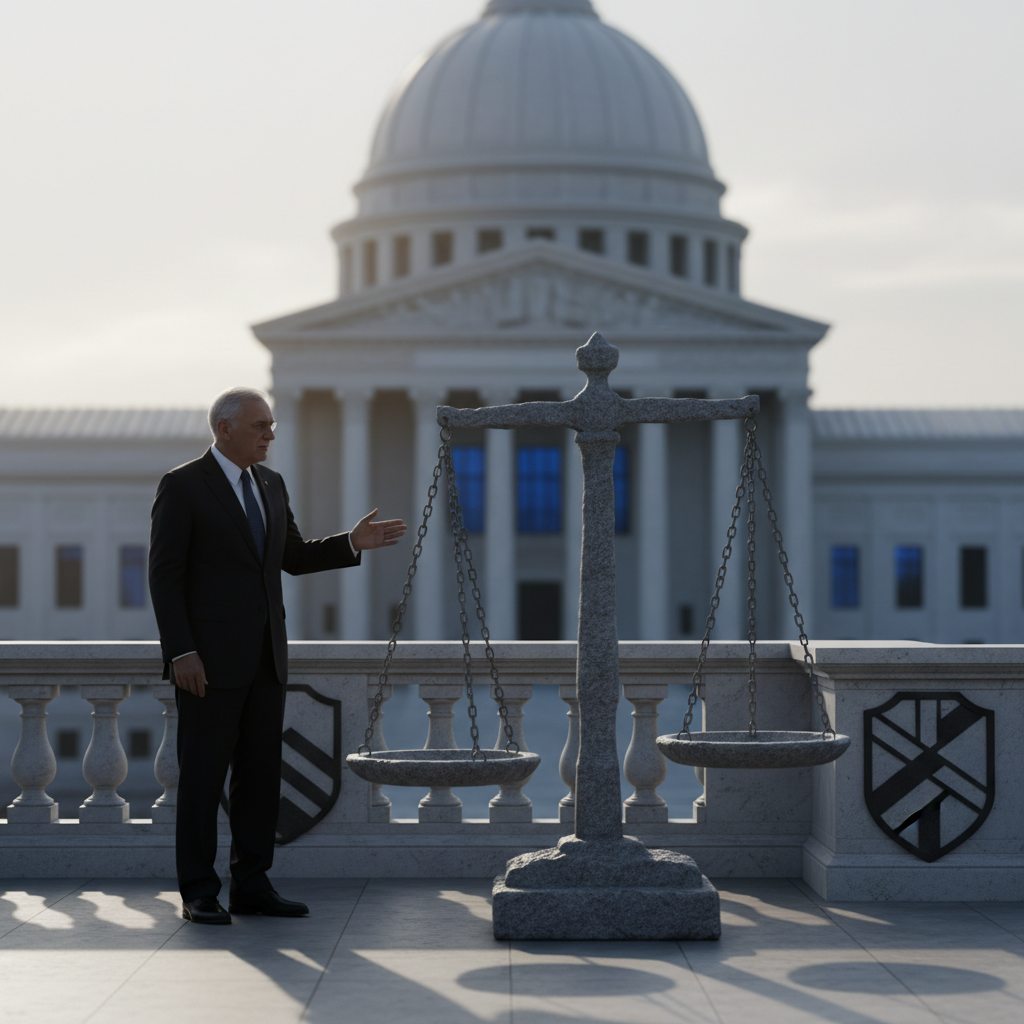
The recent media presence of Supreme Court Associate Justice Samuel Alito, centered on his book So Ordered and interviews with CBS News, has sparked a multifaceted debate regarding his judicial philosophy and his eventual departure from the bench. As the court faces heightened scrutiny over its ethical standards and ideological direction, Alito’s public reflections have provided a rare window into how a senior conservative jurist views the intersection of personal safety, constitutional interpretation, and the timing of retirement.
Regarding the question of when to step down, Reason (Source) reports that Alito views retirement as a matter of professional competence rather than political strategy. He emphasizes that mental and physical health are the primary factors in his decision-making process, rejecting the notion that a justice should time their exit to benefit a specific political party. Furthermore, Reason notes Alito’s concern that public criticism from the executive branch and evolving security threats have fundamentally changed the nature of the role, making the court’s independence feel increasingly besieged.
The safety of the justices remains a central theme in Alito's recent commentary. Reason details Alito’s belief that the leak of the Dobbs draft was a calculated effort to invite violence against conservative members of the court. According to Reason claims, Alito dismisses the theory that a conservative staffer leaked the document, arguing instead that the publication was intended to put a target on the majority's backs to intimidate them or alter the final ruling.
Critiques of Alito’s legal methodology also form a significant part of the conversation. Reason argues that the justice’s self-described "practical originalism" is often results-oriented, prioritizing judicial outcomes over a strict adherence to constitutional text. Another analysis in Reason suggests that Alito’s "populist" originalism, which favors the perspective of ordinary citizens over legal elites, can be inconsistent, particularly when he relies on societal reliance interests to protect certain precedents while overturning others. Finally, Reason defends the justice against media portrayals, asserting that his serious courtroom demeanor is a reflection of his dedication to the law rather than a sign of personal grievance.
While Alito’s defenders see him as a steady consensus-builder and a dedicated originalist, his critics see a pragmatist who adjusts his philosophy to reach desired conservative ends. There is broad agreement, however, that the personal and institutional pressures on the justices have reached a historic high, influencing how they view their legacy and their eventual departure.
Detta vet vi
- Alito asserts retirement should be based on health and competence, not partisan political timing.
- The justice claims the Dobbs leak was a deliberate attempt to incite violence against the majority.
- Critics argue Alito’s 'practical originalism' prioritizes conservative outcomes over strict constitutional text.
- Alito defends his demeanor as businesslike, rejecting media portrayals of him as a brooding figure.
Påståenden & källor
- R
Reason: A Conversation with "One of the Most Influential Supreme Court Justices of Our Time"
- R
Reason: Justice Alito on Deciding When to Retire from the Court
- R
Reason: Alito Hints That The Dobbs Leaker Knew A Member of the Majority Would Be Subject To Assassination
- R
Reason: Justice Alito on Originalism
- R
Reason: Justice Alito Calls Out Empty Reporting From "Court Watcher" Joan Biskupic
- R
Reason: Alito's 'Practical Originalism' Doesn't Sound Very Originalist