editorials·AI-REDIGERAD
Legal Challenges to Undercover Date Recordings and Journalistic Deception
Federal court rulings are defining the legal boundaries of undercover "sting" operations, focusing on whether hidden-camera date recordings constitute fraud, libel, or illegal wiretapping.
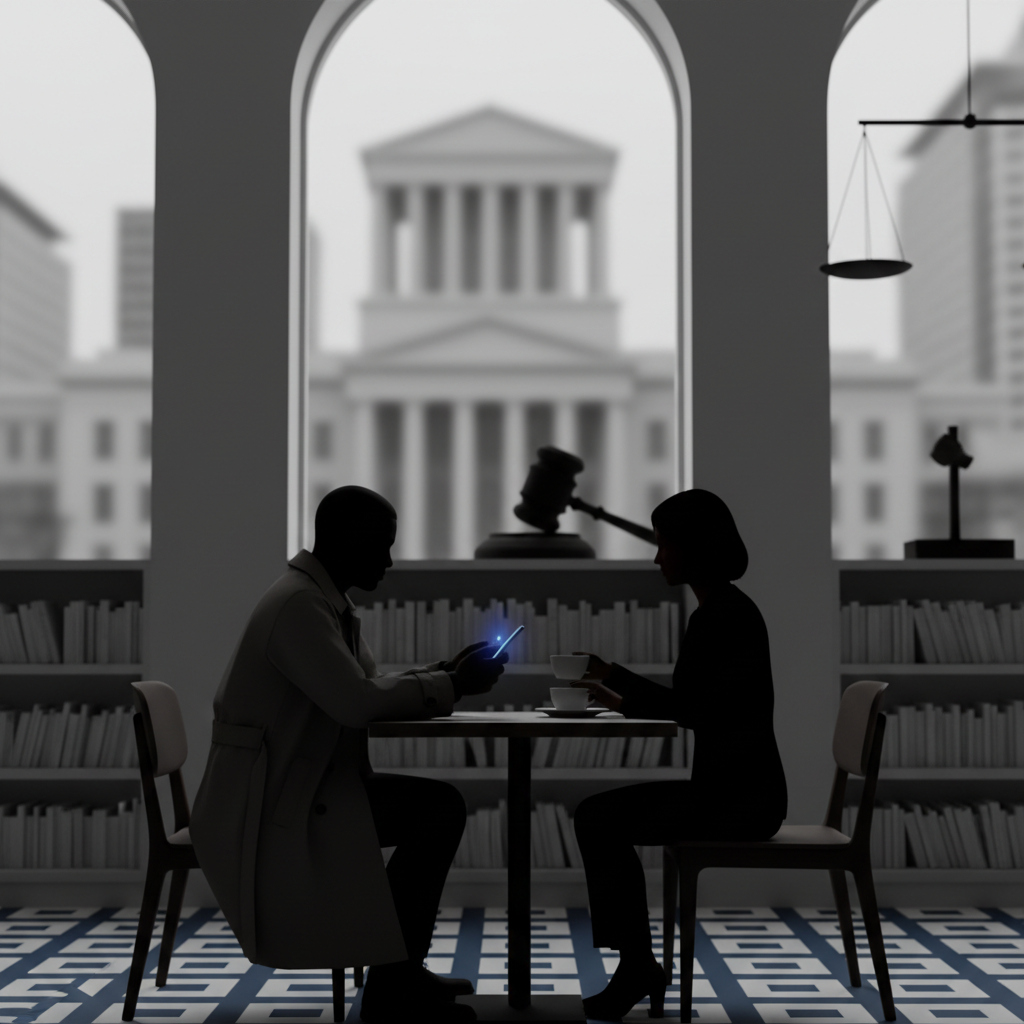
The intersection of undercover investigative journalism and individual privacy rights has taken center stage following a federal court's decision regarding a lawsuit against the O’Keefe Media Group (OMG). The case involves a former Pentagon contractor who was surreptitiously recorded during private dates by an operative working for James O’Keefe’s "Dating the Deep State" series. The resulting litigation touches upon the limits of the First Amendment, the definition of fraudulent misrepresentation in journalism, and the legal thresholds for anonymity in the digital age.
Regarding the right to privacy and wiretapping, Reason reports that a federal judge has allowed wiretapping claims to proceed despite standard one-party consent rules. The analysis notes that while recording one's own conversation is generally legal, an exception exists if the recording is made for a tortious or criminal purpose. Furthermore, Reason explains that the court found the plaintiff’s expectation of privacy—even within a public restaurant—remains a factual dispute that cannot be dismissed at this stage.
On the matter of deceptive tactics, Reason highlights the court's refusal to grant journalists a blanket shield against fraud charges. The editorial argues that the First Amendment does not immunize undercover operations from generally applicable laws. The court specifically distinguished between common social lies told on dates and a deliberate, fabricated persona used for commercial gain and the elicitation of sensitive information.
The legal boundaries of political commentary were also tested. Reason points out that the court allowed a libel claim to move forward, rejecting the defense that terms like "coup" or "sedition" were merely protected hyperbole. Because the videos were marketed as investigative journalism, the court found that a reasonable viewer might interpret these as verifiable factual claims rather than mere opinion.
Finally, the court addressed the anonymity of those who conduct such undercover work. Reason details why the undercover operative was denied the right to use a pseudonym. The judge ruled that the operative functioned as an employee rather than a protected source and concluded that speculative fears of online harassment do not outweigh the public interest in open judicial proceedings.
Across these analyses, there is a consistent focus on the judiciary’s refusal to allow "investigative journalism" labels to serve as an absolute defense against tort claims. While the cases move toward trial, the prevailing view is that undercover operatives must face the same legal standards and public scrutiny as the subjects they record.
Detta vet vi
- Courts rejected First Amendment immunity for journalists against generally applicable fraud and wiretapping laws.
- Accusations of a 'coup' in investigative videos can be treated as verifiable facts, not hyperbole.
- Undercover operatives cannot remain anonymous in court based on speculative fears of online harassment.
- A plaintiff's expectation of privacy may exist even during conversations held in public restaurants.
Påståenden & källor
- R
Reason: No Pseudonymity for the Pretend Date in Pentagon Contractor's Suit Over Hidden Date Recording by O'Keefe Media Group
- R
Reason: Pentagon Contractor's Fraudulent Misrepresentation Claim Over Hidden Date Recording by O'Keefe Media Group Can Go Forward
- R
Reason: Pentagon Contractor's Libel Claim Over Hidden Date Recording by O'Keefe Media Group Can Go Forward
- R
Reason: A Bit on Pentagon Contractor's Wiretapping Claim Over Hidden Date Recording by O'Keefe Media Group