editorials·AI-REDIGERAD
Oversight and Accountability in State-Funded Private Schools
Investigations into Arkansas's school voucher system have sparked a debate over the lack of state oversight for private institutions receiving public funds.
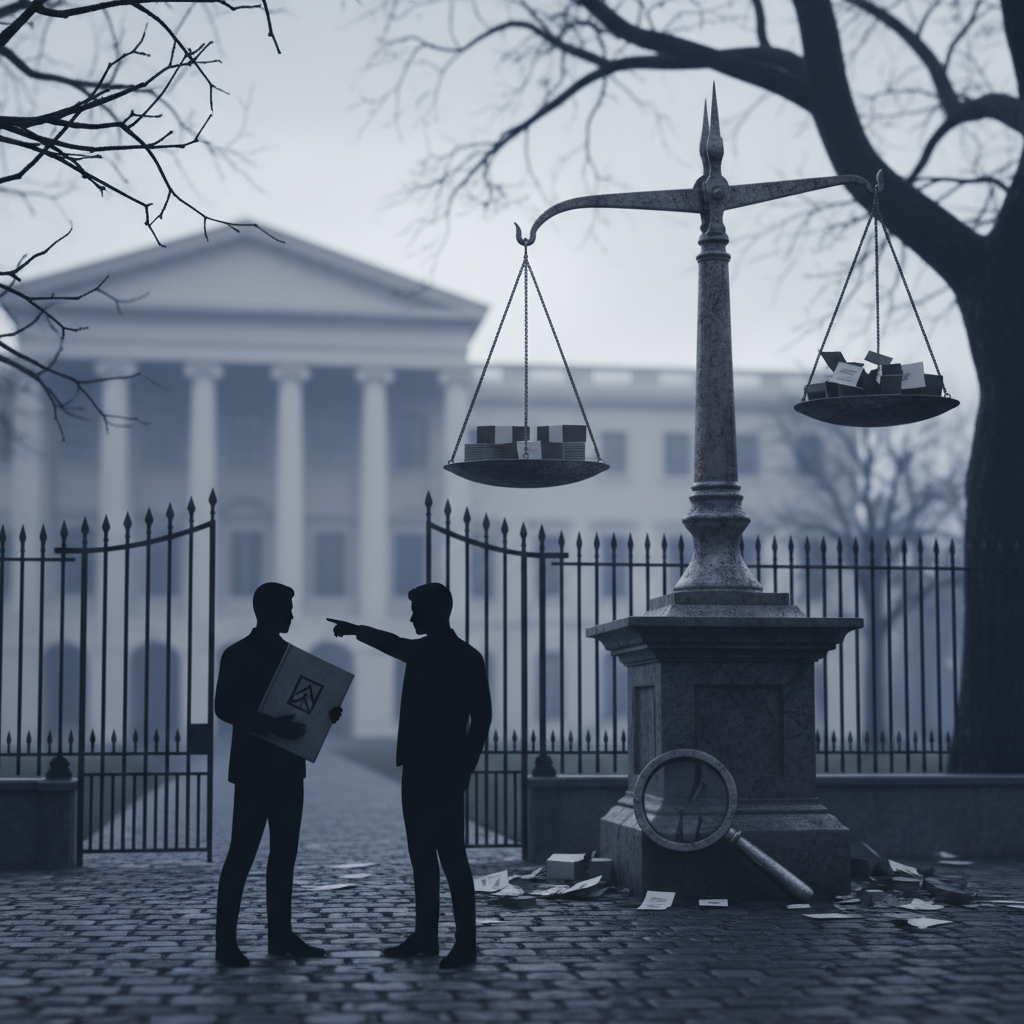
The rapid expansion of school voucher programs in the United States has sparked a heated debate regarding the balance between parental choice and state oversight. Critics are increasingly focused on how public funds are being distributed to private institutions that operate with minimal regulatory interference. This conversation has intensified following reports from Arkansas, where the state’s voucher system has allowed taxpayer money to flow to schools accused of severe misconduct, raising questions about whether the current "hands-off" approach to education policy fundamentally endangers vulnerable students.
ProPublica argues that the Arkansas Education Freedom Account program, established under the LEARNS Act, lacks the necessary safeguards to prevent public funds from reaching unregulated and potentially dangerous schools. The outlet details a harrowing incident at a private institution where the founder allegedly orchestrated a prolonged physical assault on a 13-year-old student, even encouraging other children to participate in the violence. Despite such allegations and subsequent criminal charges, the reporting emphasizes that the school continued to receive state funding because the law focuses on financial audits rather than monitoring student safety or the quality of instruction.
Furthermore, ProPublica asserts that the state's regulatory requirements are remarkably regressive, mandating only basic actions like displaying the American flag or conducting fire drills, while neglecting background checks for school operators or curriculum reviews. The investigation suggests that state officials have prioritized a market-based ideology where parental choice is viewed as the ultimate form of accountability. However, the report contends that this shift effectively abdicates the state’s responsibility to protect students, particularly those with disabilities who may be more susceptible to abuse by unlicensed providers.
The editorial discourse reflects a deep concern over the lack of quality control in taxpayer-funded private education. While the state government maintains that parents are best positioned to judge a school's merit, the reports highlight a systemic failure to respond to complaints of academic neglect and physical harm. This creates a divide between proponents of absolute school choice and those who believe that the receipt of public money must carry a strictly enforced obligation to ensure a safe and legitimate learning environment for all children.
Detta vet vi
- Voucher programs lack sufficient oversight, allowing public funds to reach unregulated schools.
- State laws focus on financial audits rather than student safety or education quality.
- Operators with no educational credentials are able to access state funding despite abuse.
- Reliance on 'parental choice' as accountability leaves vulnerable children at risk.
Påståenden & källor