editorials·AI-REDIGERAD
Policing the Press and Private Interests in the UK
Recent reports on British law enforcement highlight concerns over the suppression of investigative journalism and the handling of internal corruption within police ranks.
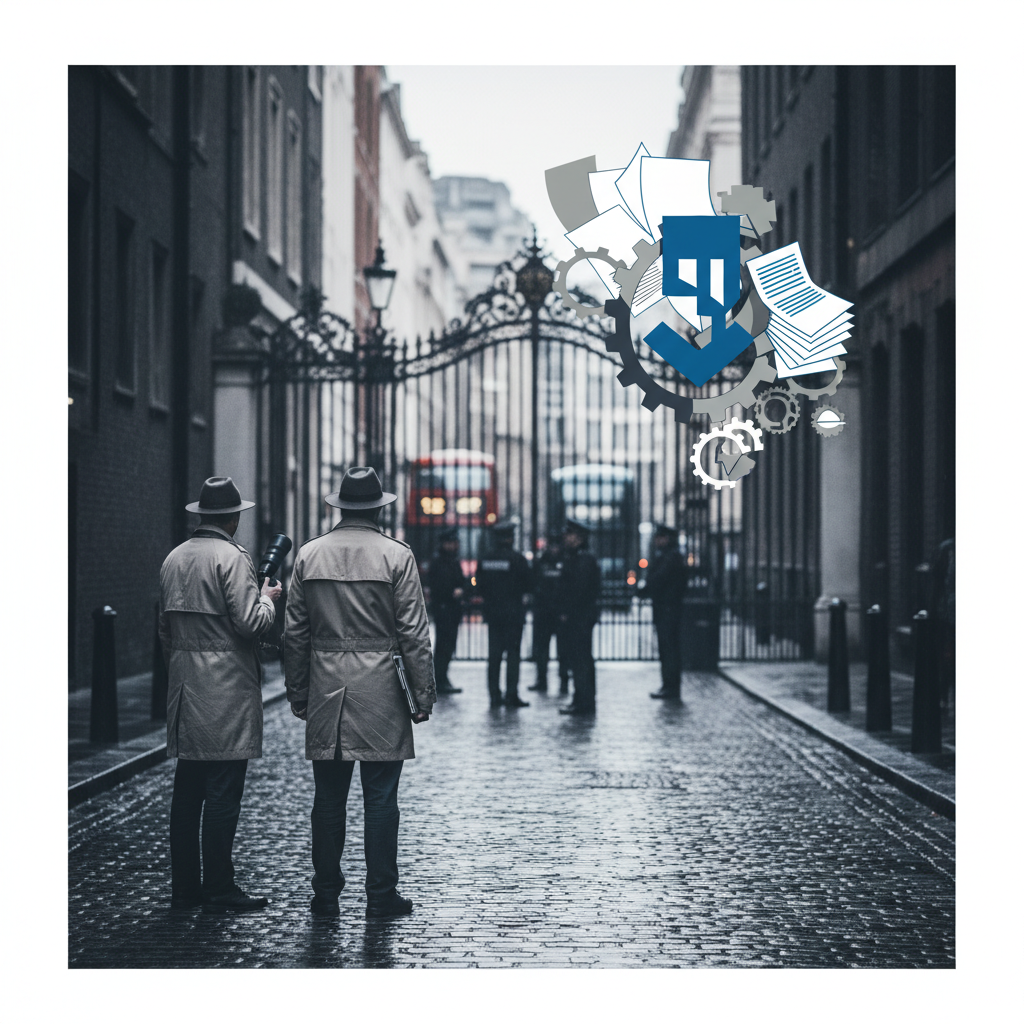
A pair of reports regarding the conduct and oversight of law enforcement in the United Kingdom has sparked a conversation about the appropriate limits of police power. These cases focus on the potential for institutional overreach in suppressing journalistic inquiries and the failures of internal security when officers maintain ties to organized crime. The incidents raise fundamental questions about how police prioritize their resources and whether current legal frameworks sufficiently protect both the public interest and institutional integrity.
Regarding the protection of press freedoms, Reason argues that the Metropolitan Police in London improperly used their authority to stifle legitimate investigative journalism. The publication details an incident where a reporter was investigated for four months after questioning the academic credentials of a University of Cambridge professor. Reason highlights that the police instructed the journalist to cease contact with the subject to protect the professor’s mental health, a move the outlet suggests represents a threat to transparency and standard reporting practices. The editorial notes the irony of the situation, as the professor eventually resigned following the allegations of plagiarism and résumé embellishment.
In a separate report on internal corruption, Reason examines the case of a former Merseyside officer who accessed sensitive data to assist criminal associates. The publication points out that the officer, Daniel Hughes, monitored police systems for years to track investigations into his friends and leaked intelligence to organized crime figures. According to the report, despite the gravity of these breaches and the officer's failure to disclose his criminal ties, he received a twelve-month suspended sentence. The piece frames this as a significant breach of public trust and a failure of law enforcement to police its own ranks effectively.
Collectively, these editorials reflect a concern with the misuse of police authority in different contexts. While one case illustrates a perceived over-extension of power into the realm of private speech and journalism, the other highlights a failure to maintain internal security against criminal infiltration. Both viewpoints converge on the idea that law enforcement conduct requires stricter scrutiny to ensure the badge is used to uphold the law rather than circumvent or suppress it.
Detta vet vi
- Police investigated a reporter for four months after he questioned a professor's academic integrity.
- Law enforcement cited mental health concerns to justify telling a journalist to stop his inquiry.
- A former UK officer avoided immediate prison despite leaking sensitive investigation data to criminals.
- Critics warn that using police power to shield public figures threatens journalistic transparency.
Påståenden & källor