editorials·AI-REDIGERAD
Regulatory Shifts and Methane Emissions from Marginal Oil Wells
Editorial boards are examining the environmental and ethical implications of proposed rollbacks on methane regulations for low-production oil wells.
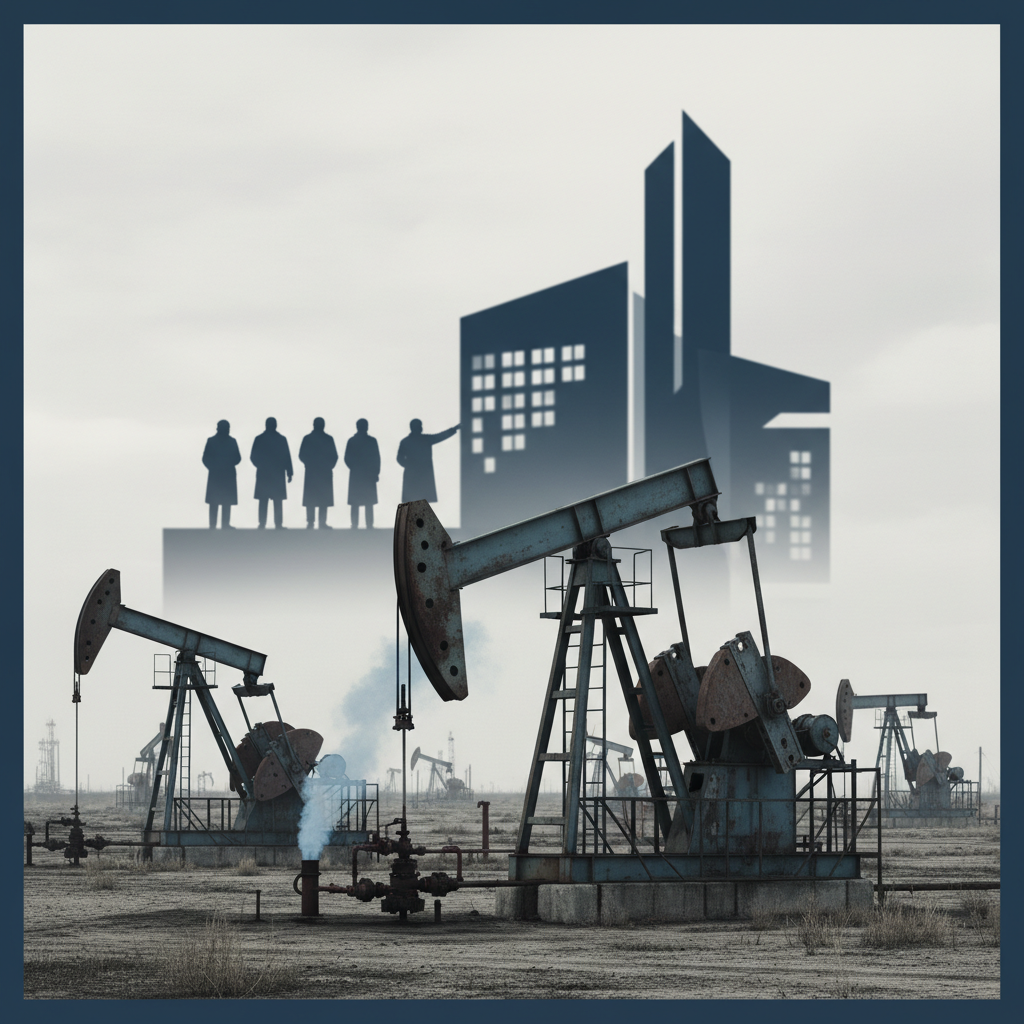
The environmental impact of "stripper wells"—low-production oil and gas sites—has become a focal point of debate surrounding the intersection of political fundraising and climate policy. These aging wells produce a small fraction of the nation’s energy but are responsible for a disproportionate amount of atmospheric pollution. This discussion centers on whether deregulatory efforts are motivated by economic efficiency or by the financial interests of high-dollar political donors.
ProPublica argues that the Trump administration’s plan to dismantle methane regulations specifically targets the oversight of these marginal wells to benefit major campaign contributors. The publication highlights Jeffery Hildebrand, a billionaire donor whose company, Hilcorp, specializes in acquiring older assets that are prone to leaking. According to the report, while these stripper wells account for only 6% of national production, scientific data suggests they contribute roughly half of the oil and gas industry’s methane emissions. The outlet characterizes the appointment of a former Hilcorp lobbyist to a senior EPA position as evidence of a policy shift designed to reward industry insiders.
In a related perspective, ProPublica reports on the ideological nature of these environmental rollbacks, suggesting that the drive for deregulation is often untethered from technical policy expertise. The author describes a direct interaction with Donald Trump, noting that while the former president appeared unfamiliar with the granular details of Hildebrand’s business operations, his administration’s actions consistently align with the interests of such donors. The piece warns that by weakening standards for methane-leaking wells, the administration is prioritizing ideological loyalty and the financial success of a few tycoons over urgent climate mitigation efforts.
These viewpoints converge on the conclusion that current policy proposals regarding stripper wells represent a significant environmental risk. While the administration frames these moves as necessary deregulation, critics emphasize the high environmental cost of methane—a potent greenhouse gas—and the potential for a "quid pro quo" relationship where campaign contributions translate directly into favorable environmental rules.
Detta vet vi
- Stripper wells produce minimal energy but contribute half of the industry's methane emissions.
- Critics argue deregulation serves billionaire donor Jeffery Hildebrand and his company, Hilcorp.
- The appointment of former lobbyists to the EPA suggests a conflict of interest.
- Policy shifts are framed as ideological loyalty rather than scientifically backed decisions.
Påståenden & källor