editorials·AI-REDIGERAD
The Human and Systemic Costs of the UK Prison Crisis
Global editorials examine the UK's prison crisis, highlighting the psychological toll of indefinite sentencing and the systemic failures of chronic overcrowding.
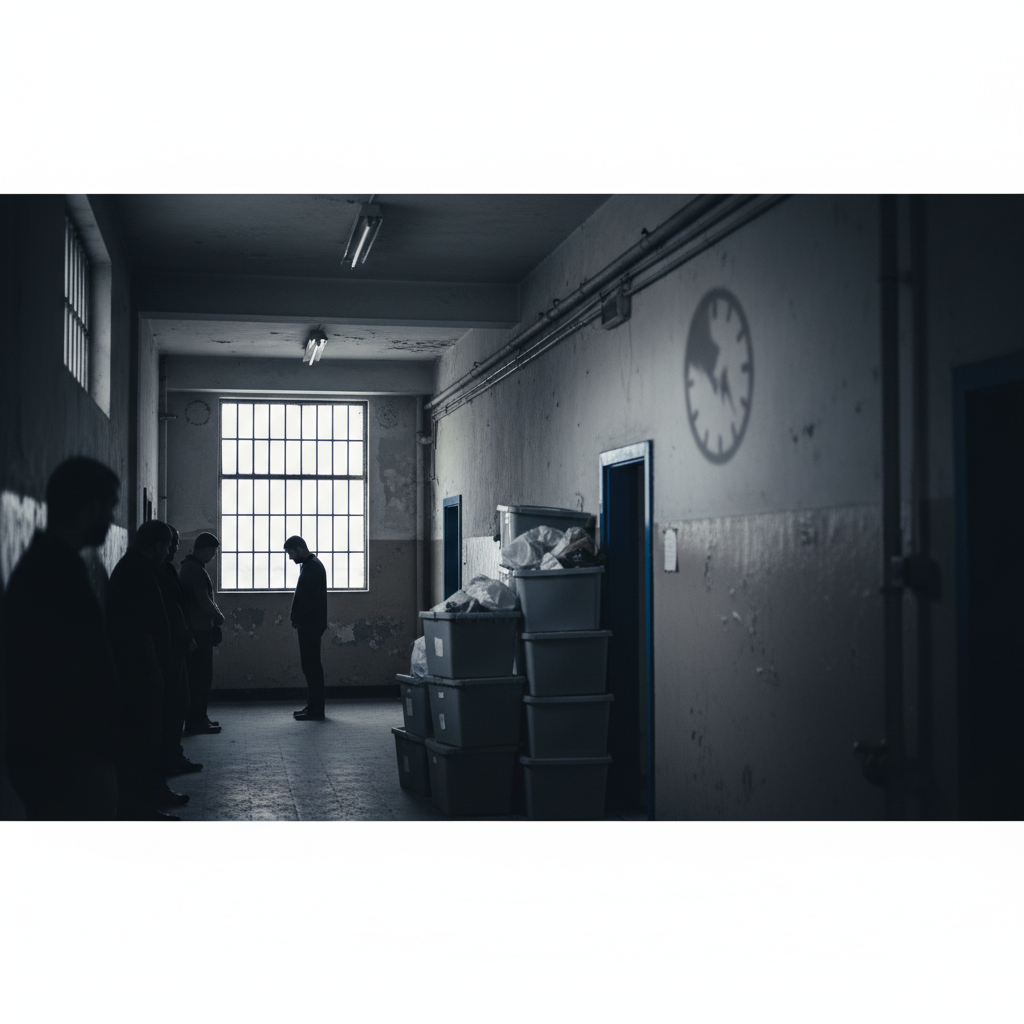
The British prison system is currently grappling with a dual crisis of overcrowding and the long-term impact of abolished sentencing structures. Recent commentary highlights a tension between emergency measures designed to free up cell space and the moral obligation to address thousands of inmates held under indefinite terms. These discussions emphasize that while technical fixes may alleviate immediate pressure, they fail to resolve the deeper psychological and systemic failures within the penal landscape.
The Guardian argues that the continued use of Imprisonment for Public Protection (IPP) sentences represents a form of psychological torture for those affected. Although these sentences were abolished over a decade ago, the lack of retroactive application has left thousands in a state of permanent legal limbo. The publication points out that even the original architect of the policy has acknowledged its failure, yet political leaders continue to favor bureaucratic reviews over the legislative changes required to provide inmates with a definitive end date for their incarceration.
Further analysis from The Guardian suggests that the government's recent emergency release scheme is a temporary sticking plaster for a broader crisis. The editorial notes that a "policy ratchet" of increasingly harsh sentencing, driven by a desire to appear tough on crime, has led to unsustainable levels of incarceration. It warns that without a fundamental shift away from simply building more cells, the system will remain in a cycle of dilapidation and overcrowding that undermines rehabilitation efforts.
There is a clear consensus across these perspectives that the UK justice system is at a breaking point due to political inertia. While one editorial focuses on the specific human rights violations inherent in indefinite sentencing, the other addresses the macro-level failure of prison capacity. Both viewpoints converge on the idea that meaningful reform must involve reducing the overall prison population rather than relying on short-term emergency interventions or endless administrative delays.
Detta vet vi
- Indefinite IPP sentences are described as a form of psychological torture for inmates.
- Emergency prisoner releases are viewed as temporary fixes for a deeply rooted systemic crisis.
- Politicians are criticized for favoring harsh sentencing over sustainable prison infrastructure and funding.
- Experts advocate for retroactive legislative changes to resolve the status of abolished IPP sentences.
- The current penal strategy is deemed unsustainable without a focus on reducing inmate populations.
Påståenden & källor