editorials·AI-REDIGERAD
The Impact of Ending Haitian Temporary Protected Status in Florida
As the U.S. considers ending Temporary Protected Status for hundreds of thousands of Haitians, analysts are weighing the risk of a collapse in Florida's healthcare sector against the logistical hurdles of mass deportation.
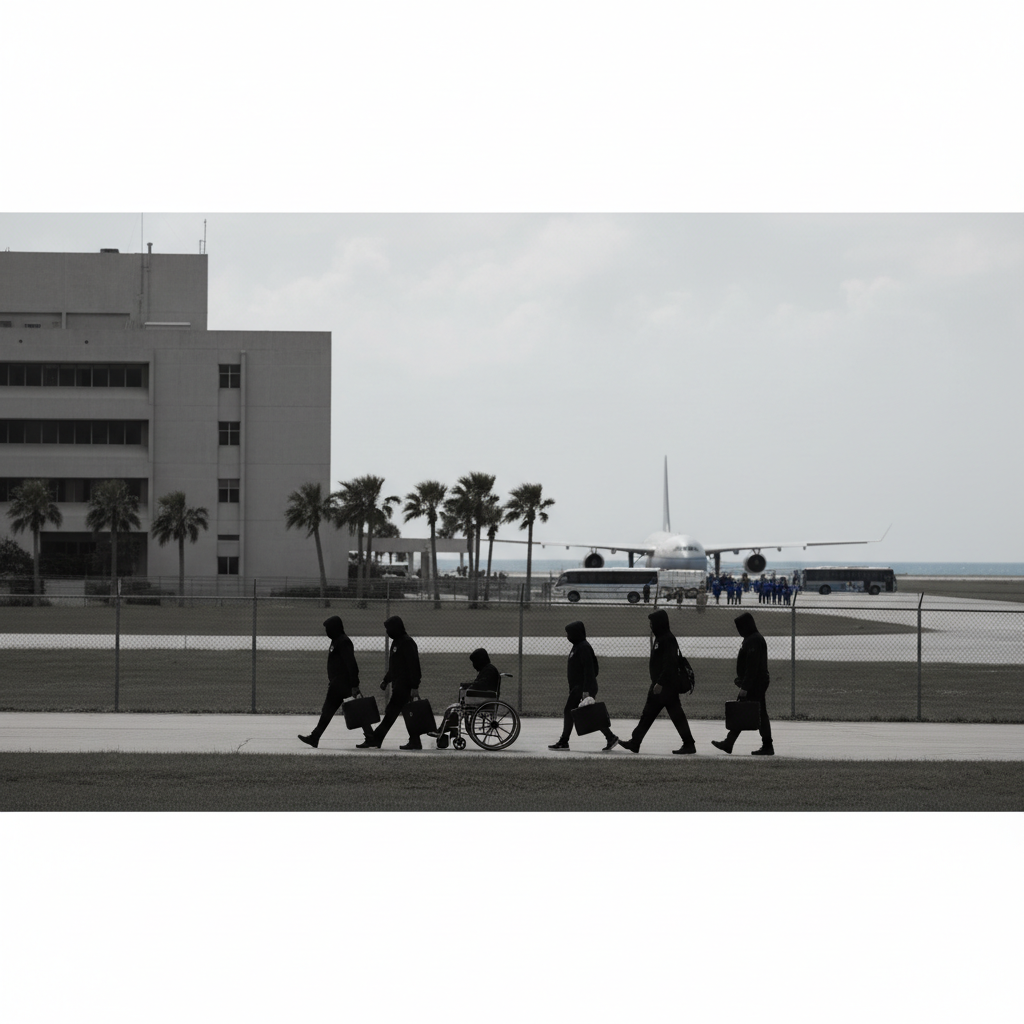
The potential termination of Temporary Protected Status (TPS) for Haitian nationals has sparked a significant debate regarding the stability of the American healthcare system and the logistical feasibility of mass deportations. As legal protections for approximately 350,000 Haitians come under pressure, observers are closely monitoring the impact on states like Florida, which serves as a primary hub for this population. The conversation centers on whether the administrative desire to end these protections can be reconciled with the economic needs of the elder care sector and the practical realities of the U.S. immigration enforcement apparatus.
Mother Jones argues that Florida’s nursing home industry is facing a systemic collapse if these workers are forced to leave. The publication highlights that roughly 35,000 essential health workers in the state hold TPS, and their removal would create a staffing void that existing labor pools cannot fill. According to this perspective, the loss of these caregivers would ripple through the healthcare chain, potentially overwhelming hospitals and diminishing the quality of life for the elderly. Economic data cited by the outlet suggests these individuals contribute $2.6 billion to the state's economy, leading some local politicians to seek legislative life rafts despite the broader national policy shift.
The logistical side of this policy is also under scrutiny. Mother Jones points out that while the government can end legal status with a signature, the physical deportation of 350,000 people presents an unprecedented challenge for Immigration and Customs Enforcement (ICE). The outlet notes that this number is equivalent to the agency’s total annual deportation capacity, meaning that focusing solely on Haitians would require a total redirection of all enforcement resources. Furthermore, it suggests that the current state of Haiti—marred by gang violence and limited airport infrastructure—makes the large-scale return of citizens practically impossible in the short term.
A recurring theme in the discourse is the vulnerability of the TPS population. Mother Jones observes a grim irony: because these individuals have spent years complying with government regulations, providing home addresses and personal data to maintain their status, they are significantly easier for authorities to track down than undocumented immigrants who have remained in the shadows. This high level of visibility increases the sense of fear within the community as work permits expire and the threat of being returned to a conflict zone becomes more immediate.
While there is a consensus that Haiti remains in a state of crisis that complicates any repatriation efforts, the commentary diverges on the inevitability of the outcome. One line of reasoning suggests that the sheer economic and humanitarian cost will force a bipartisan legislative compromise. The other focuses more narrowly on the administrative and logistical bottleneck, suggesting that while the "threat" of deportation is high, the actual execution of such a mandate faces massive hurdles that may take years to resolve.
Detta vet vi
- Florida nursing homes face a staffing crisis without 35,000 Haitian TPS healthcare workers.
- Haitian TPS holders contribute an estimated $2.6 billion to Florida's economy.
- Deporting 350,000 people would exhaust the total annual capacity of immigration enforcement.
- Logistical barriers, including gang violence and limited flights, make repatriation to Haiti difficult.
Påståenden & källor