editorials·AI-REDIGERAD
The Regulatory Hurdles Facing Robotaxis in Washington D.C.
As Washington, D.C. considers a bill to legalize autonomous vehicles under strict financial conditions, a debate has emerged over whether these regulations serve public safety or protectionist labor interests.
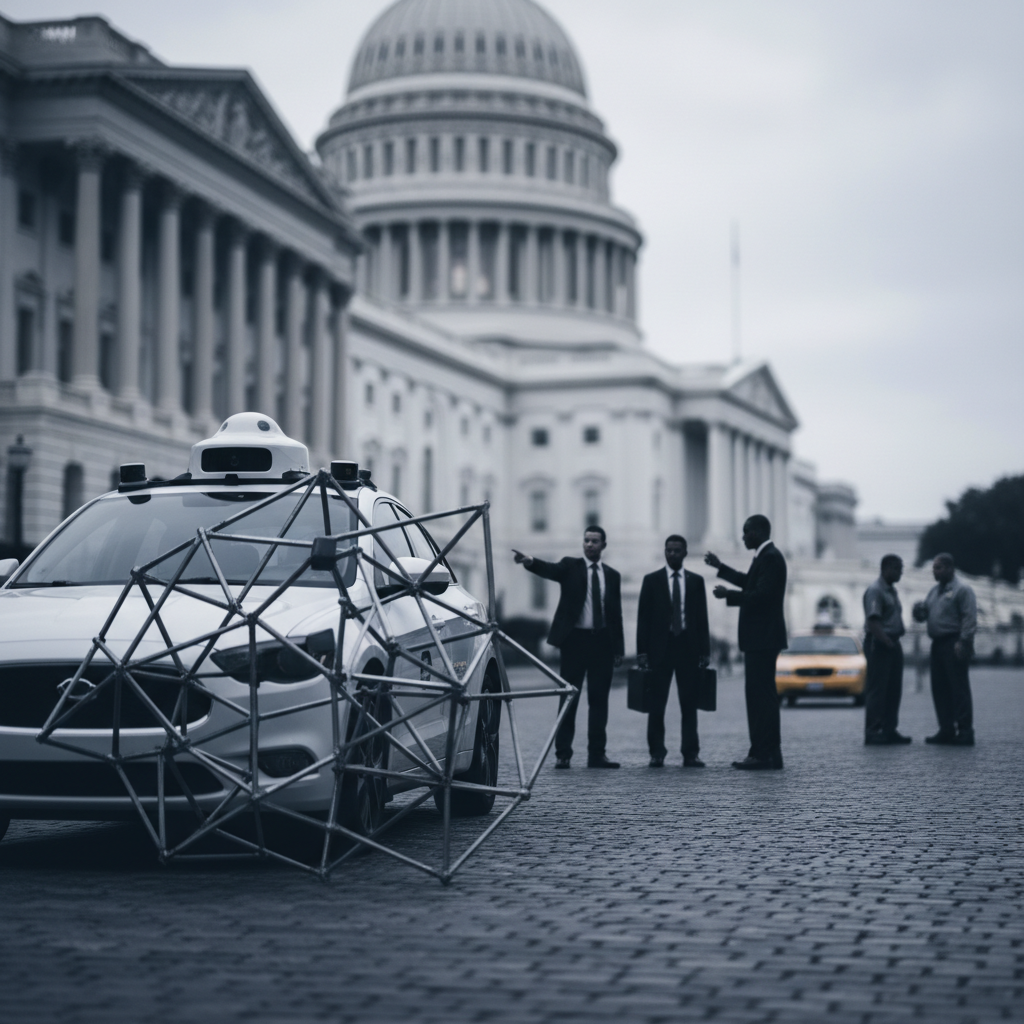
Washington, D.C. is currently navigating a complex regulatory debate regarding the legalization and integration of autonomous vehicles (AVs). The proposed Autonomous Vehicle Deployment Authorization Amendment Act of 2026 seeks to establish a legal framework for these technologies, but the inclusion of significant financial hurdles and operational restrictions has sparked a debate over whether the city is truly embracing innovation or merely managing its decline. At the center of the conflict is a tension between advancements in public safety and the protection of traditional labor markets.
Reason critiques the D.C. Council’s proposal, characterizing it as a burdensome framework designed to hinder rather than help. The outlet reports that the bill would demand a $6 million permit fee from operators while imposing strict caps on data and mileage. According to the editorial, these barriers ignore the reality that autonomous vehicles have been shown to significantly reduce serious traffic accidents when compared to human-operated cars. By prioritizing a "costly regulatory framework" over these safety gains, the author suggests the city is placing a high human cost on technological delay.
Beyond the specific legislation in the capital, Reason also examines the broader political resistance to automation driven by organized labor. The publication argues that labor unions act as a primary barrier to economic abundance by stifling the very technologies that could lower the cost of living. Using the example of Teamsters opposing AV expansion in other cities like Boston, the author contends that unions prioritize job preservation for ride-share and delivery drivers over the public safety benefits of automation. This stance, the editorial warns, forces Democratic leaders into a position of "economic sclerosis" where they cannot achieve affordability goals without alienating their political base.
These perspectives suggest a fundamental disagreement between advocates for technological progress and those focused on labor stability. While the current D.C. bill attempts to find a middle ground through high entry fees, critics argue that such compromises ultimately stall the efficiencies and safety improvements that robotaxis promise. The conversation indicates that the future of urban transport may be determined less by technological readiness and more by the political influence of the workers whom the robots are intended to replace.
Detta vet vi
- D.C. proposal includes a $6 million permit fee and strict mileage caps for robotaxis.
- Advocates argue autonomous vehicles significantly reduce traffic accidents compared to human drivers.
- Labor unions oppose automation, fearing the loss of ride-share and delivery driver jobs.
- Critics claim union influence prevents cities from achieving economic abundance and efficiency.
Påståenden & källor