editorials·AI-REDIGERAD
The Systemic Risks of Jailhouse Informant Testimony in Capital Cases
Editorial boards and critics are scrutinizing the role of jailhouse informants in capital cases, warning that systemic incentives for false testimony are undermining the pursuit of justice.
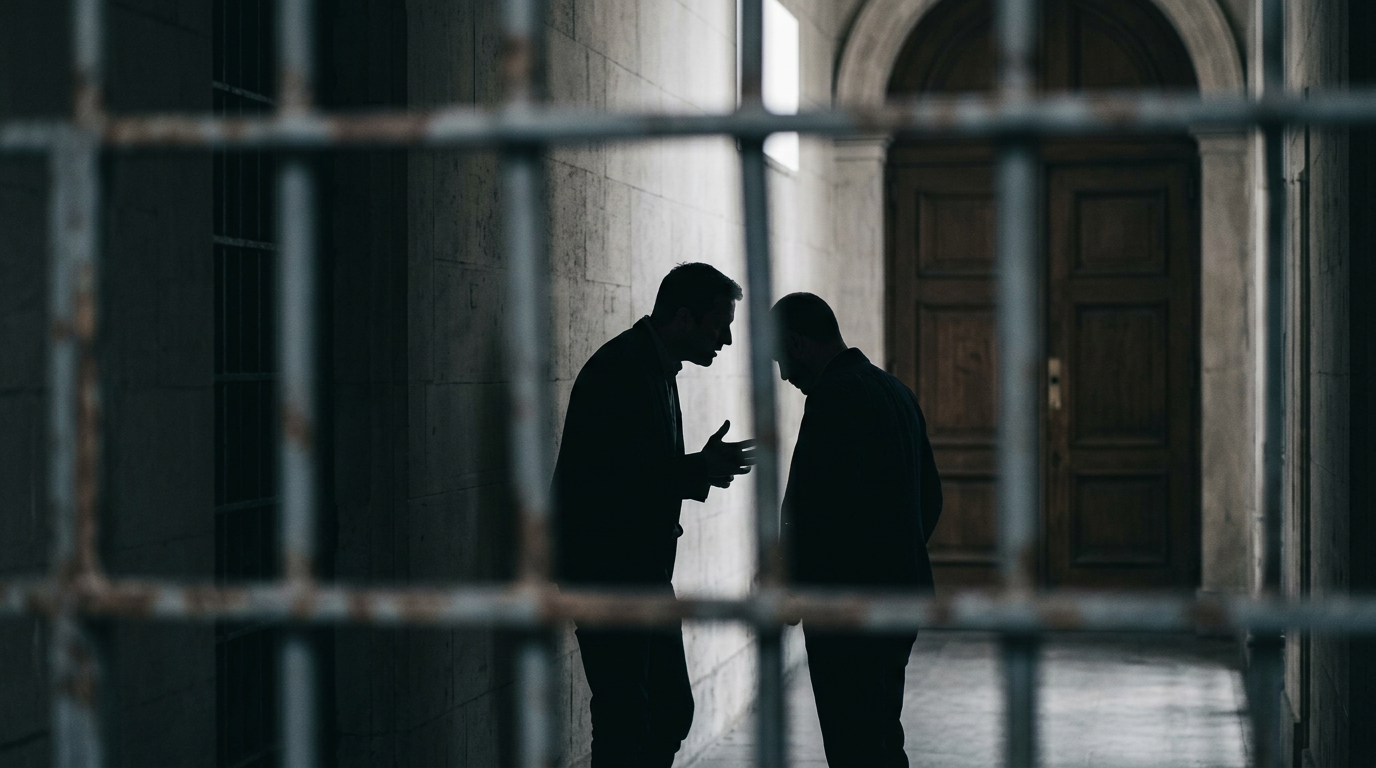
The use of jailhouse informants within the United States criminal justice system has emerged as a focal point for critics concerned with the integrity of capital convictions. Editorial discussions centered on recent investigative journalism reveal a systemic reliance on "snitches"—incarcerated individuals who provide testimony about alleged confessions by fellow inmates. This conversation highlights how the intersection of prosecutorial pressure and inmate incentives can lead to catastrophic judicial errors, particularly in cases where physical evidence is absent.
Reason highlights that the justice system is currently trapped in a dangerous cycle of state-sanctioned error. The publication argues that informants frequently trade fabricated confessions for judicial leniency, such as reduced sentences or better conditions. Using the case of prolific informant Paul Skalnik as a primary example, the editorial notes that law enforcement often leans on known deceivers to secure convictions in difficult cases. Furthermore, Reason contends that the legal system lacks the necessary internal incentives to admit or correct these mistakes once they have occurred.
In a secondary analysis of the same issue, Reason points out that jailhouse informants have contributed to roughly 25 percent of wrongful death row convictions. The editorial focuses on the plight of Jim Dailey, who remains on Florida’s death row despite a total lack of forensic evidence linking him to the crime. The argument is made that the American judiciary is essentially built to compound its own errors; it prioritizes the finality of original jury verdicts and legal precedent over the introduction of new, exculpatory evidence. This rigid adherence to procedure, the piece suggests, often eclipses the pursuit of factual truth.
While these editorials approach the topic from slightly different ideological angles, they converge on the belief that the current legal framework provides toxic incentives for both inmates and prosecutors. Both pieces conclude that the judicial system's high procedural hurdles make it nearly impossible to overturn convictions based on false testimony, suggesting a profound failure in the state's ability to protect the innocent from the death penalty.
Detta vet vi
- Informants often trade fabricated confessions for judicial leniency and reduced prison sentences.
- Legal precedents and procedural hurdles frequently prevent the overturning of wrongful convictions.
- Jailhouse informants contribute to approximately one-quarter of wrongful death row convictions.
- Prosecutors may prioritize closing difficult cases over the documented reliability of their witnesses.
Påståenden & källor