rankings·AI-REDIGERAD
Global Force Strength: Reviewing Military Personnel Levels Amid Shifting Alliances
As NATO leaders gather in Ankara to chart the future of the alliance, we examine the current scale of national defense forces and what these figures reveal about global security.
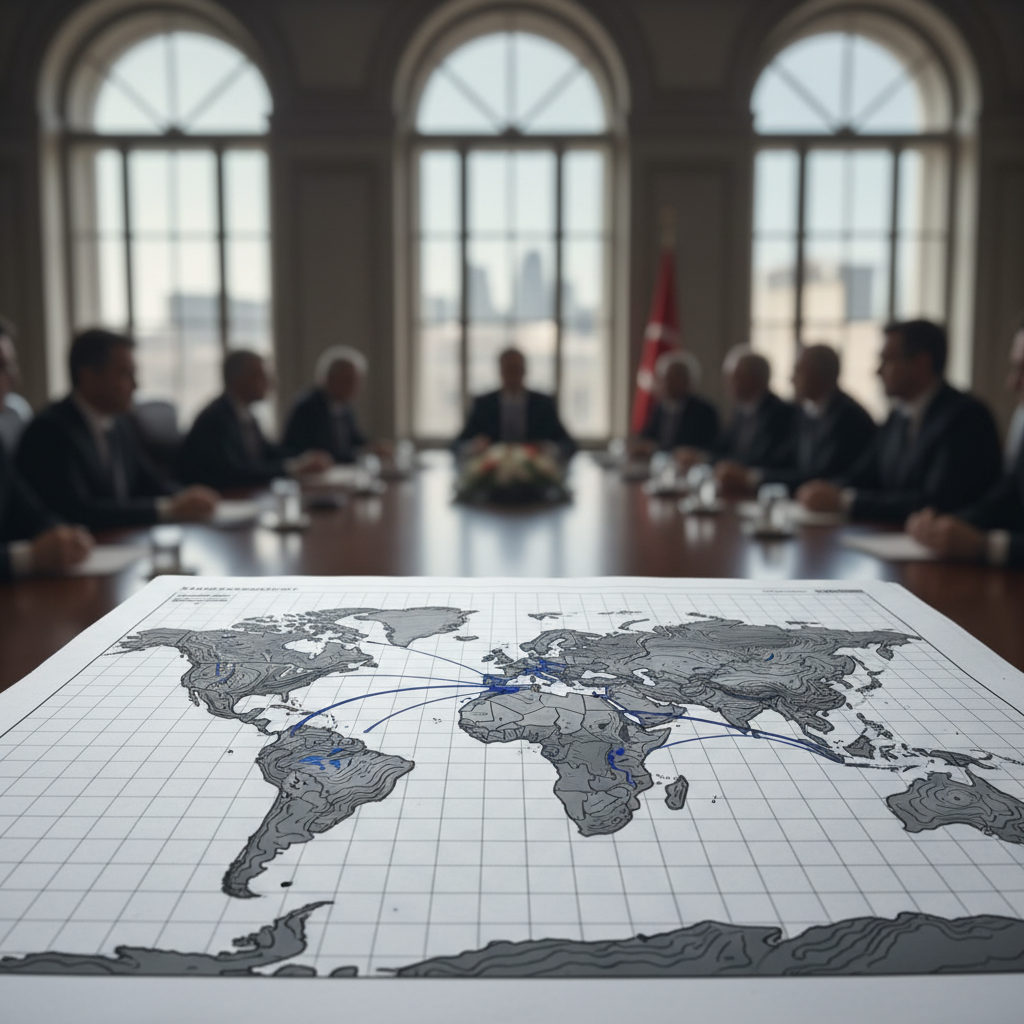
The global security architecture is undergoing its most significant transition in decades. As individual nations recalibrate their defense postures, the scale of active military personnel remains a fundamental metric of national power and regional influence. Examining current manpower levels provides a snapshot of where resources are being allocated in an increasingly multipolar world.
According to data sourced from Wikipedia’s List of countries by number of military and paramilitary personnel, the distribution of troops varies wildly based on geography, historical conflict, and economic capacity.
At the higher end of this specific data set, Afghanistan is recorded with 172,000 personnel. This figure serves as a sobering reminder of the country’s recent history; while the structure and recognition of these forces have shifted drastically following the geopolitical changes in Kabul, the sheer volume of armed individuals remains a central factor in Central Asian stability. Similarly, Algeria (139,000) and Angola (107,000) maintain large standing forces, reflecting their roles as significant regional powers in Africa where internal security and border integrity are paramount.
Conversely, the data highlights the presence of "micro-militaries" in stable island nations. Antigua and Barbuda, with just 200 personnel, illustrates a defense model focused almost exclusively on coast guard duties and disaster response rather than conventional warfare. In Europe, Austria’s 22,200 troops reflect a different European reality: a landlocked, constitutionally neutral nation that prioritizes peacekeeping and territorial defense over massive expeditionary capabilities.
As these numbers show, a country’s troop count is rarely just about "war-fighting." It is a reflection of local labor markets, government spending priorities, and the perceived level of threat from neighboring states. While technology and drones are changing the face of the battlefield, the "boots on the ground" represented in this data remain the primary tool for territorial control and sovereign signaling.
Why this is timely
As NATO leaders meet in Ankara to discuss military unity and future strategy, global troop levels and defense capabilities are under intense scrutiny. Understanding the baseline of national manpower is essential to interpreting these high-level strategic shifts.
Detta vet vi
- Afghanistan remains a significant regional outlier with 172,000 personnel recorded in the data set.
- Regional powers like Algeria and Angola maintain six-figure troop counts to ensure domestic and border stability.
- Small island nations like Antigua and Barbuda represent the minimum threshold for sovereign defense forces.
- European nations like Austria and Albania show more modest figures, reflecting collective security or neutral postures.
Påståenden & källor
- W
Countries by number of military personnel — full ranked list