rankings·AI-REDIGERAD
Global Trade Hubs: The World’s 10 Busiest Container Ports Amid Shipping Disruptions
As tensions in the Red Sea force a reconfiguration of global shipping routes, we examine the ten busiest container ports currently anchoring international trade.
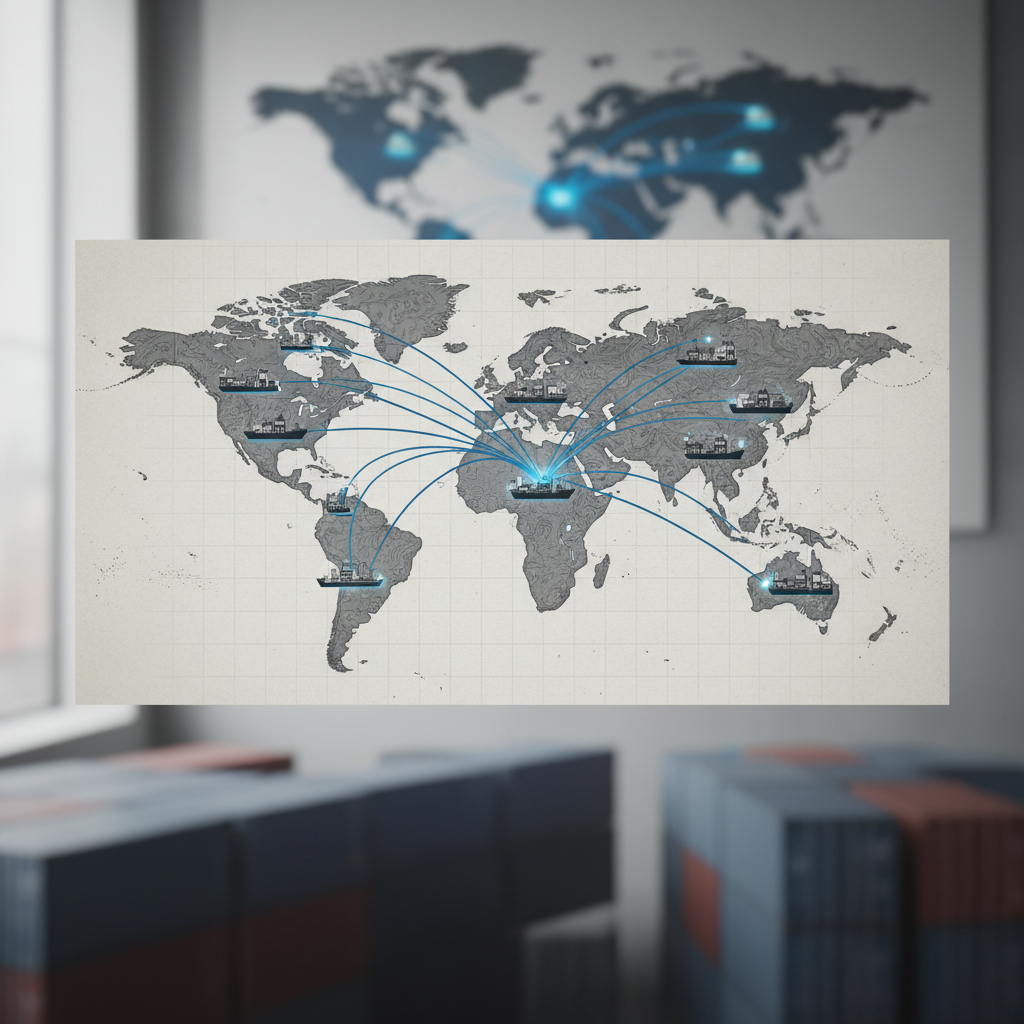
As global shipping lanes face unprecedented volatility, the data regarding the world’s busiest ports serves as a roadmap for international trade resilience. According to the most recent comprehensive data from Wikipedia, the dominance of East Asian infrastructure remains the defining characteristic of maritime logistics.
At the absolute summit is the Port of Shanghai, which maintains its position as the world's most active container gateway. Its sheer volume reflects China’s entrenched role as the "world's factory," acting as the primary artery for goods moving toward Europe and North America. Following closely is Singapore, the highest-ranked port outside of mainland China. Singapore’s position is particularly critical right now; as a major transshipment hub, it serves as the primary junction for vessels re-routing around the Cape of Good Hope to avoid Red Sea hostilities.
Further down the top ten, Jebel Ali in Dubai (ranked 9th) stands out as a unique geographic outlier. As the only Middle Eastern port in the top ten, its operational stability is under the most direct scrutiny given its proximity to regional tensions. Its inclusion highlights the concentration of maritime power: nine of the top ten ports are located in Asia, with Port Klang in Malaysia rounding out the list at number 10.
This concentration suggests that while the Red Sea serves as a transit corridor, the physical pulse of global trade is overwhelmingly centered in the Pacific and Indian Ocean basins. The reliance on these specific hubs means that any disruption to the "just-in-time" delivery model ripple outward from these ten points, affecting consumer prices and manufacturing schedules worldwide.
Why this is timely
Escalating Houthi attacks in the Red Sea have forced major shipping lines to divert vessels, placing immense pressure on global maritime infrastructure. Understanding which ports handle the highest volumes (based on Wikipedia data) is essential for assessing the economic impact of these disrupted supply chains and the potential for bottlenecks in alternative routes.
Detta vet vi
- Shanghai and Singapore remain the world's primary maritime gateways by volume.
- Nine of the top ten busiest container ports are located within East or Southeast Asia.
- Jebel Ali (Dubai) represents the critical Middle Eastern hub currently navigating regional instability.
- The concentration of port power highlights the vulnerability of global supply chains to corridor disruptions.
Påståenden & källor
- W
Largest container ports — full ranked list