rankings·AI-REDIGERAD
Mapped: The World’s Nuclear Arsenals by Warhead Count
A look at the global distribution of nuclear warheads, from the massive stockpiles of Russia and the US to the strategic inventories of emerging powers.
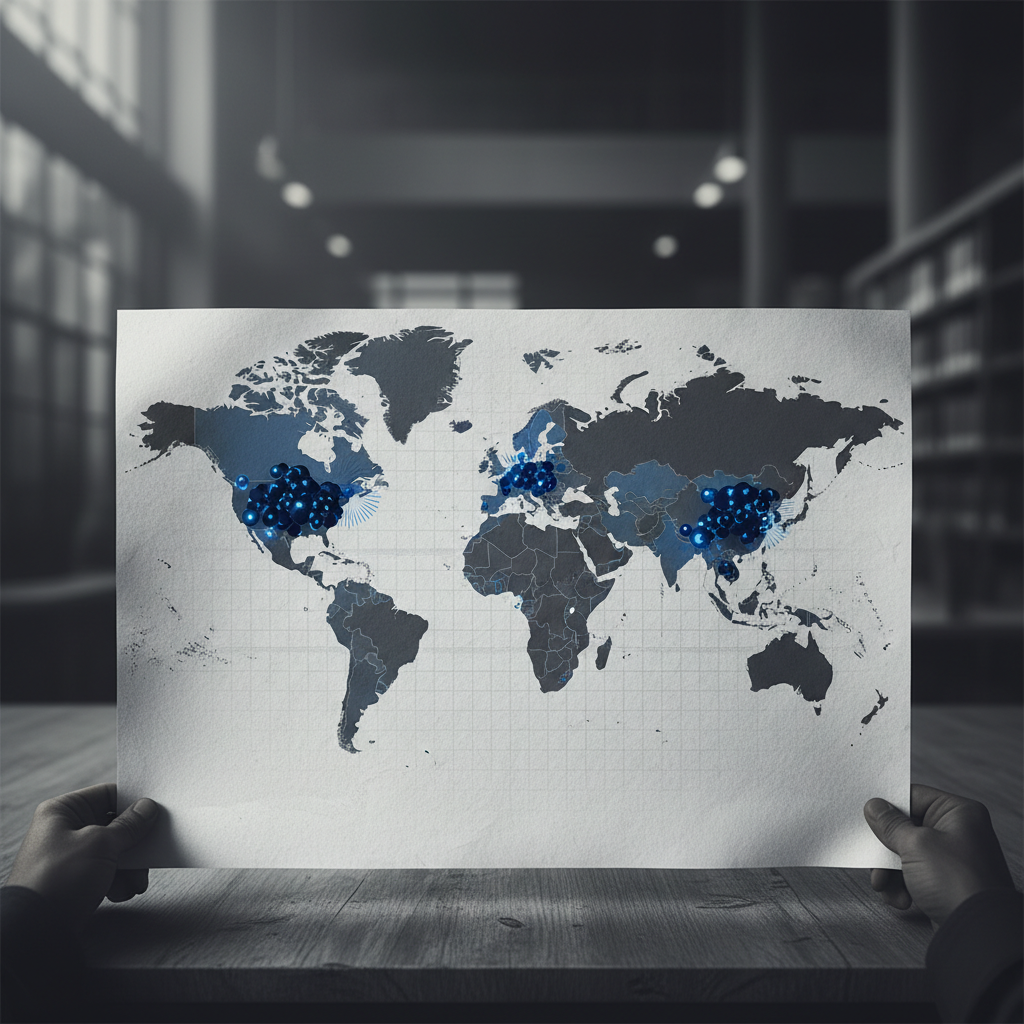
The modern geopolitical landscape is defined by a select group of nations possessing nuclear capabilities, a factor that dictates much of global diplomacy and defense strategy. According to data sourced from Wikipedia, the distribution of these warheads remains heavily concentrated among a few Cold War-era superpowers, even as regional tensions in the Middle East and South Asia shift the strategic focus.
The Russian Federation and the United States continue to dominate the global inventory, holding 4,400 and 3,700 warheads respectively. Together, these two nations account for approximately 90% of the world's nuclear weapons. This overwhelming parity ensures that the principles of mutual deterrence established decades ago remain the foundation of international security relations.
In contrast to the massive stockpiles of the top two, the middle tier of nuclear powers shows a different strategic approach. China, with 620 warheads, has historically maintained a "minimum deterrence" posture, though its numbers have seen more growth in recent years compared to the stabilizing inventories of the United Kingdom (225) and France (290). This gap highlights the distinction between nations that view nuclear weapons as a total global deterrent versus those that utilize them for regional security and limited strategic leverage.
At the lower end of the spectrum, nations like North Korea (60) and Israel (90) demonstrate how nuclear status is often tied to perceived existential threats. While their numbers are small relative to the global giants, their presence significantly complicates regional diplomacy. The disparity between Russia’s 4,400 warheads and North Korea’s 60 underscores that nuclear status is not just about quantity, but about the threshold of credible threat. As international tensions fluctuate, these figures serve as a stark reminder of the underlying military stakes in every diplomatic negotiation.
Why this is timely
As rising tensions between the United States and Iran impact global oil prices and market stability, public interest in the military capabilities and nuclear status of world powers has reached a peak. Understanding the current distribution of nuclear warheads provides essential context for these escalating geopolitical risks.
Detta vet vi
- Russia and the US control approximately 90% of the world's nuclear warheads.
- China maintains a mid-tier stockpile of 620 warheads, leading the secondary powers.
- Lower-inventory states like North Korea and Israel use nuclear status for regional deterrence.
- Data is sourced from Wikipedia's 'List of states with nuclear weapons'.
Påståenden & källor
- W
Countries by nuclear weapons — full ranked list