rankings·AI-REDIGERAD
The Backbone of Global Trade: Top 10 Oil Exporting Nations Ranked
A look at the world's leading oil exporters and what their market dominance means for the future of global trade and economic decoupling.
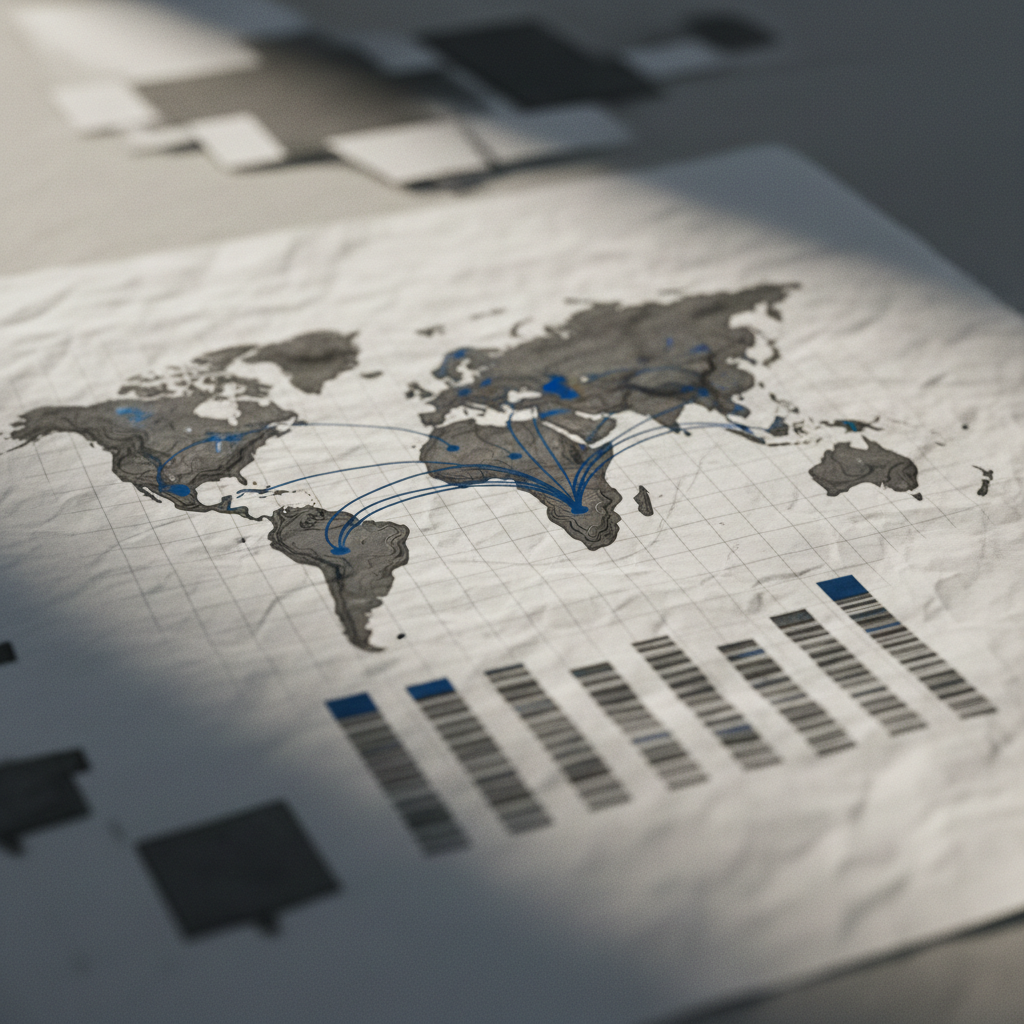
As geopolitical tensions rise and debates surrounding economic "decoupling" or the "near-shoring" of supply chains intensify, the flow of energy remains the most critical link in global trade ties. According to data sourced from Wikipedia, the global oil export landscape is dominated by a select group of nations whose economic stability is inextricably linked to international demand. For these countries, the prospect of cutting trade ties is not merely a diplomatic hurdle but a fundamental threat to national revenue.
Saudi Arabia leads the world with 191,068,167 units exported, reinforcing its position as the central pillar of the OPEC alliance. This massive volume illustrates why the kingdom remains at the heart of global economic discussions; any disruption to its trade routes or shifts in its bilateral agreements sends immediate shockwaves through the global market.
Interestingly, the United States holds the third position with 118,499,361 units. Despite being one of the world's largest consumers of energy, its rise as a top-tier exporter highlights a significant shift in North American energy independence. However, this high ranking also means the U.S. is deeply sensitive to the health of global trade partners, as it now relies on foreign markets to absorb its surplus production.
Further down the top ten, Norway (49,735,668) and Iran (41,230,000) represent two different sides of the trade tie debate. Norway serves as a vital, stable supplier for Europe, particularly as the continent seeks to pivot away from other sources. Conversely, Iran’s presence in the top ten, despite years of significant international sanctions, demonstrates the persistent global demand for energy that often transcends traditional trade barriers.
As nations weigh the security benefits of cutting ties against the economic costs, these figures remind us that the global economy is fueled by a network of interdependence that is difficult to dismantle without profound consequences for both the exporter and the importer.
Why this is timely
Recent editorials concerning the cutting of global trade ties have highlighted the vulnerability of nations that rely heavily on exporting critical energy commodities. Understanding who moves the most oil is essential to assessing the risks of economic fragmentation.
Detta vet vi
- Saudi Arabia remains the world's largest oil exporter by a significant margin.
- The United States has emerged as a top three global exporter, shifting its role in international trade.
- Energy remains the most difficult sector to decouple due to deep global interdependence.
- OPEC and OPEC+ members dominate the top 10, controlling the majority of the export market.
Påståenden & källor
- W
Countries by oil exports — full ranked list