rankings·AI-REDIGERAD
The Power of Place: Top Countries by Renewable Electricity Production
As global renewable output hits record highs, the "Dobby’s grave" controversy highlights the local infrastructure hurdles facing the world's top energy producers.
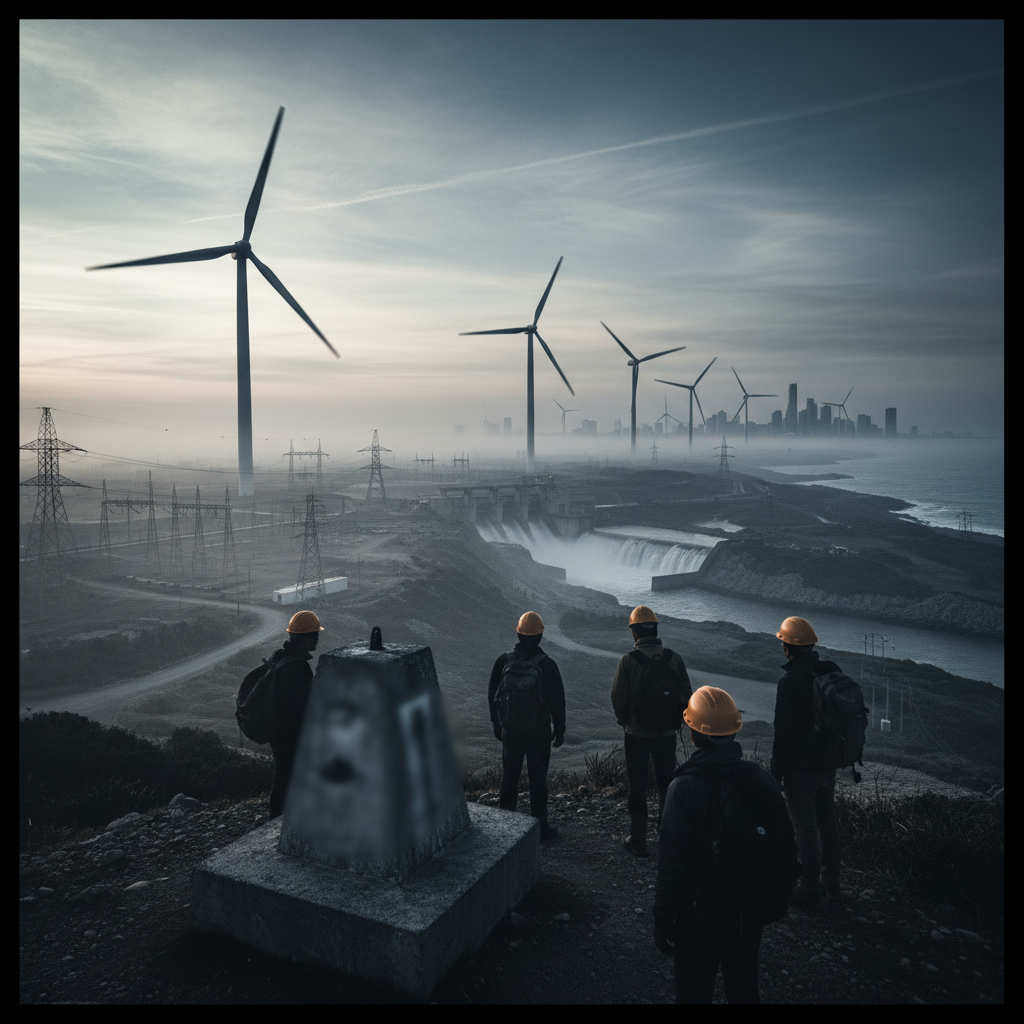
While the global shift toward sustainable energy is accelerating, the physical infrastructure required to support it often meets local resistance. A recent example in Wales, where a proposed power cable was rerouted following public protests regarding its proximity to the fictional "grave" of Dobby the house-elf, highlights the complex social hurdles facing grid expansion. As nations strive to increase their green output, the challenge is no longer just generation, but the logistical and social integration of these energy sources.
According to data sourced from Wikipedia, the total global renewable electricity production has reached 10,714.80 TWh. This figure represents a massive international effort to decarbonize, yet the distribution of this production is heavily concentrated among a few industrial superpowers.
Dominance in the East and West
China sits at the top of the individual nations list with a staggering 3,912.68 TWh of renewable electricity production. This output is more than triple that of the United States, which ranks second with 1,158.80 TWh. China's lead is a result of aggressive investment in hydroelectric, solar, and wind infrastructure, though it continues to face challenges in transmitting that power from rural generation hubs to urban centers.
Regional Leaders and Infrastructure Challenges
Brazil ranks third among nations (649.97 TWh), largely due to its extensive hydroelectric network. Unlike many European nations that rely on a mix of wind and solar, Brazil’s reliance on water power makes it a global leader in renewable percentage, though it remains vulnerable to climate-induced droughts.
Germany and Spain represent the European contingent in the top ten, with 295.74 TWh and 160.81 TWh respectively. For these countries, the "Dobby’s grave" incident is particularly relevant; as they attempt to phase out fossil fuels, the need for new high-voltage transmission lines often clashes with local conservation efforts and cultural heritage sites, creating bottlenecks in an otherwise rapid transition.
The data illustrates that while the technical capacity for renewable energy is growing, the path to a fully green grid requires navigating the delicate balance between environmental goals and local community interests.
Why this is timely
Recent protests over power line placements, such as the rerouting of a cable near a landmark in Wales, demonstrate how public sentiment and local heritage can impact the deployment of renewable energy infrastructure.
Detta vet vi
- Global renewable electricity production currently totals 10,714.80 TWh according to Wikipedia data.
- China leads all nations with 3,912.68 TWh, more than triple the production of the second-place United States.
- Brazil and Canada remain top contenders due to their massive investments in hydroelectric power.
- Local protests over power line placement, such as those in Wales, present a growing challenge to national grid integration.
Påståenden & källor
- W
Countries by renewable electricity production — full ranked list