rankings·AI-REDIGERAD
The Shifting Landscape of Global Defense: Ranking Military Personnel by Nation
As geopolitical alliances shift, we examine the military personnel counts of ten nations to understand how manpower correlates with global influence.
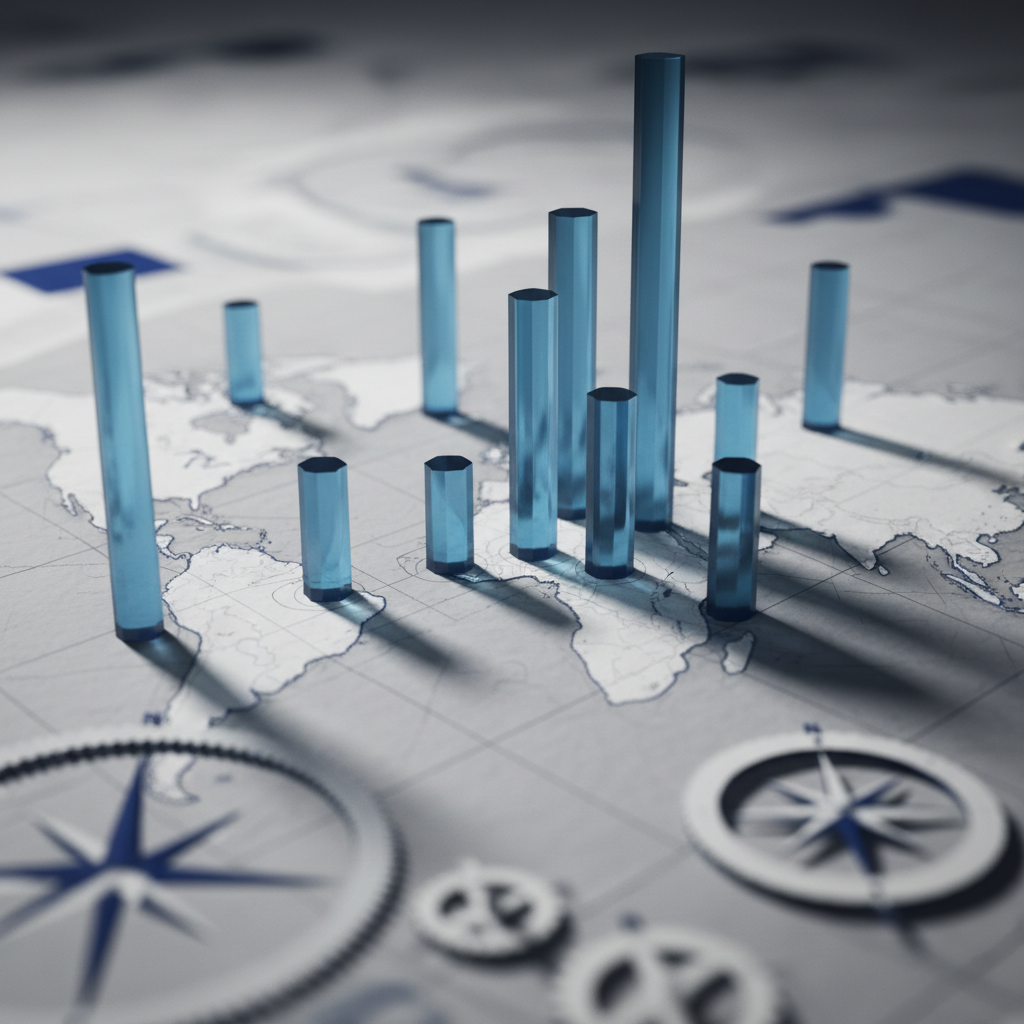
In an era defined by the shifting landscape of superpower influence, the raw number of individuals under arms continues to serve as a critical metric for regional stability and national sovereignty. According to data sourced from Wikipedia’s List of countries by number of military and paramilitary personnel, the scale of national defense forces varies dramatically, reflecting diverse geopolitical pressures and historical legacies.
At the top of this alphabetical snapshot is Afghanistan, with 172,000 personnel. This figure serves as a poignant reminder of the nation’s turbulent recent history. While raw numbers suggest a significant force, the effectiveness of such a large contingent is often dictated more by internal political stability than by manpower alone. In contrast, high-income nations like Australia, which maintains 58,540 personnel, demonstrate a preference for technologically advanced, specialized forces over sheer volume.
The data also reveals the vulnerabilities and strategic choices of smaller states. Antigua and Barbuda, with just 200 personnel, represents the minimum threshold for sovereign defense, relying heavily on regional security alliances rather than independent military might. Meanwhile, in the Caucasus, the figures for Armenia (42,900) and Azerbaijan (68,200) highlight a persistent regional arms race where personnel counts are directly tied to ongoing territorial sensitivities.
These figures underscore that while "superpower influence" is often discussed in terms of nuclear capabilities or economic reach, the maintenance of standing personnel remains the fundamental baseline for projecting physical presence and domestic control. As defense budgets face scrutiny worldwide, the balance between total manpower and technological modernization remains the central dilemma for modern ministries of defense.
Why this is timely
As editorials analyze the shifting landscape of superpower influence, military capacity remains a central factor in assessing global dominance and regional stability.
Detta vet vi
- Afghanistan holds the largest personnel count in this selection at 172,000.
- Smaller nations like Antigua and Barbuda rely on minimal forces of approximately 200 personnel.
- Regional rivalries, such as those in the Caucasus, drive higher personnel-to-population ratios.
- Modern military strategy often balances raw manpower against technological advancement.
Påståenden & källor
- W
Countries by number of military personnel — full ranked list