rankings·AI-REDIGERAD
The World's 10 Tallest Buildings: Engineering the Modern Skyline
A look at the global giants of architecture and the massive infrastructure required to support the world’s most ambitious skylines.
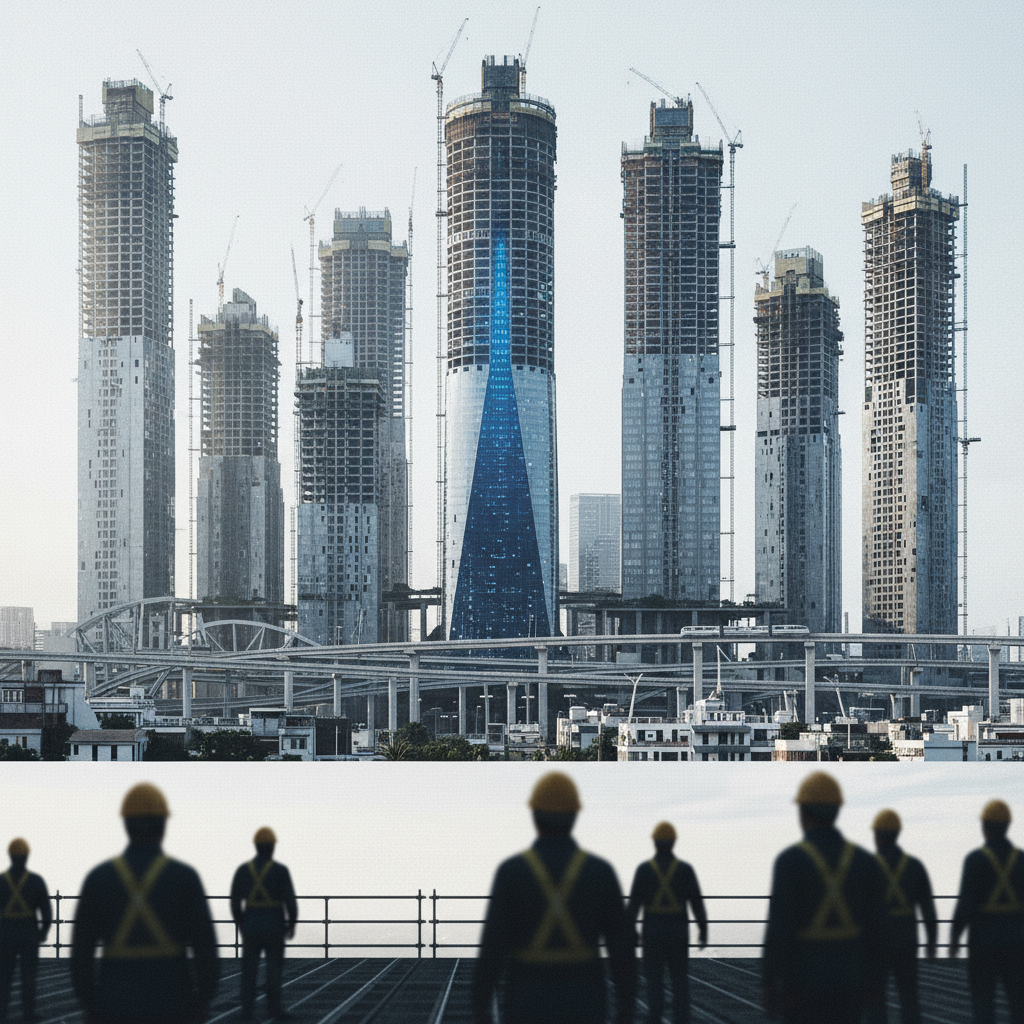
The pursuit of the "supertall" skyscraper remains a defining ambition for modern cities, acting as a visual shorthand for economic dominance and engineering prowess. However, as demonstrated by the current ranking of the world's tallest structures, these projects are no longer just about height; they are complex ecosystems that extend deep into the earth.
The Burj Khalifa in Dubai continues to lead the global ranking. With 163 floors above ground, it remains the standard-bearer for the Council on Tall Buildings and Urban Habitat (CTBUH) metrics. What often goes unnoticed, however, is the structural necessity of what lies beneath; the Burj is supported by two levels below ground to manage the immense load-bearing requirements of its desert location.
In contrast, the Merdeka 118 in Kuala Lumpur, currently the world's second-tallest building, utilizes five underground levels. This reflects a growing trend in skyscraper design: the "city within a building." These subterranean spaces are frequently used for transit hubs and retail, attempting to mitigate the density issues these mega-structures create at street level.
The CITIC Tower in Beijing, rounding out the top ten, features the most significant underground footprint of the group with eight levels below ground. This highlight clarifies a shift in global architecture. While the height provides the prestige, it is the depth—the integration into urban infrastructure and utility—that determines the long-term viability of these projects. As public scrutiny of luxury developments increases, the balance between a building’s sky-high profile and its grounding in the community becomes the central challenge for architects.
Why this is timely
Recent protests against a major luxury development in Albania have reignited a global conversation regarding the environmental and social costs of ambitious, large-scale architectural projects. Understanding the scale of the world's current tallest buildings provides essential context for these urban developments.
Detta vet vi
- The Burj Khalifa remains the undisputed tallest building in the world with 163 floors above ground.
- Asian cities dominate the top 10, with China hosting four of the world's ten tallest skyscrapers.
- Subterranean engineering is critical; the CITIC Tower in Beijing requires eight levels below ground for support and utility.
- Modern skyscraper design increasingly focuses on multi-level underground integration for transit and retail.
Påståenden & källor
- W
Tallest buildings in the world — full ranked list